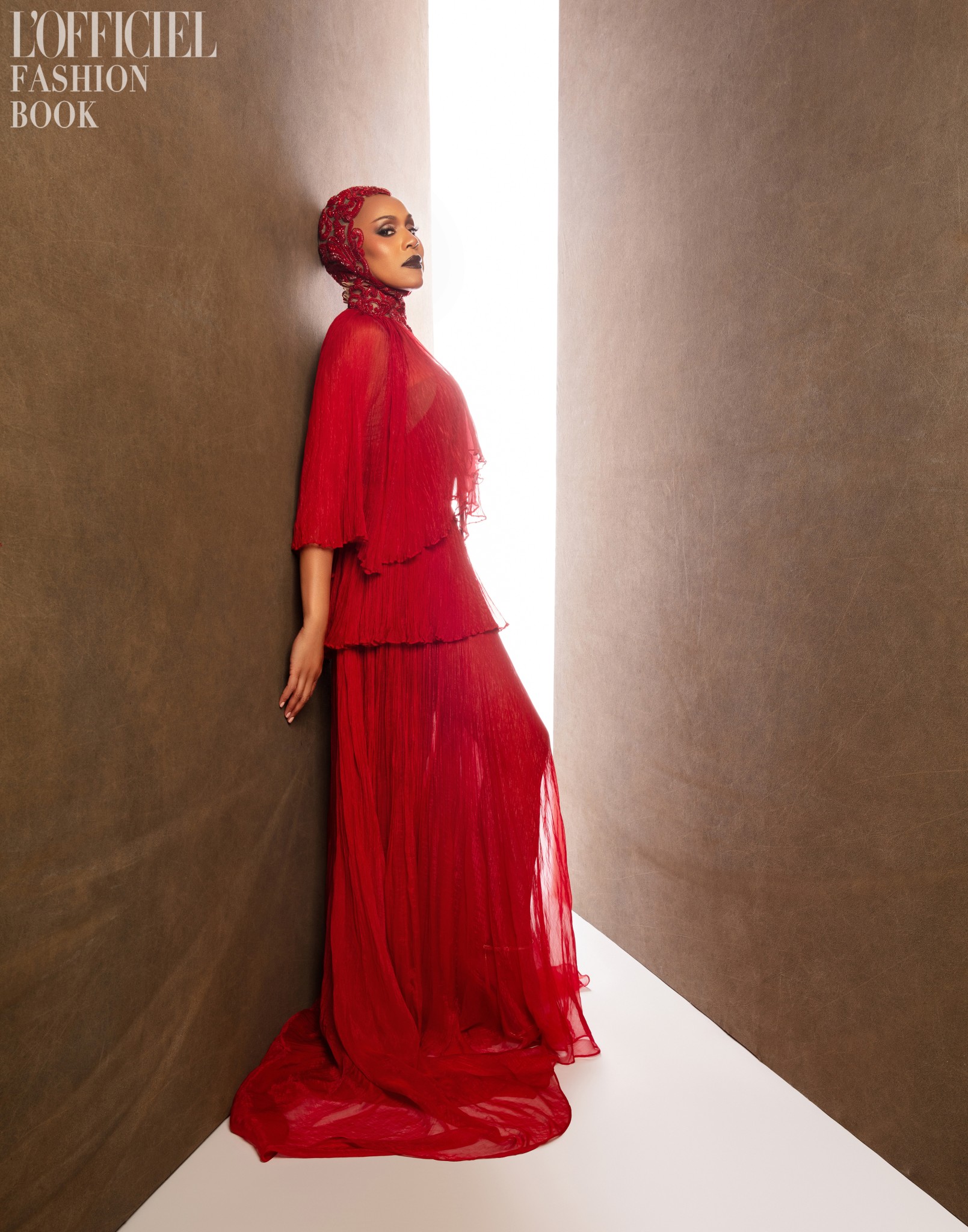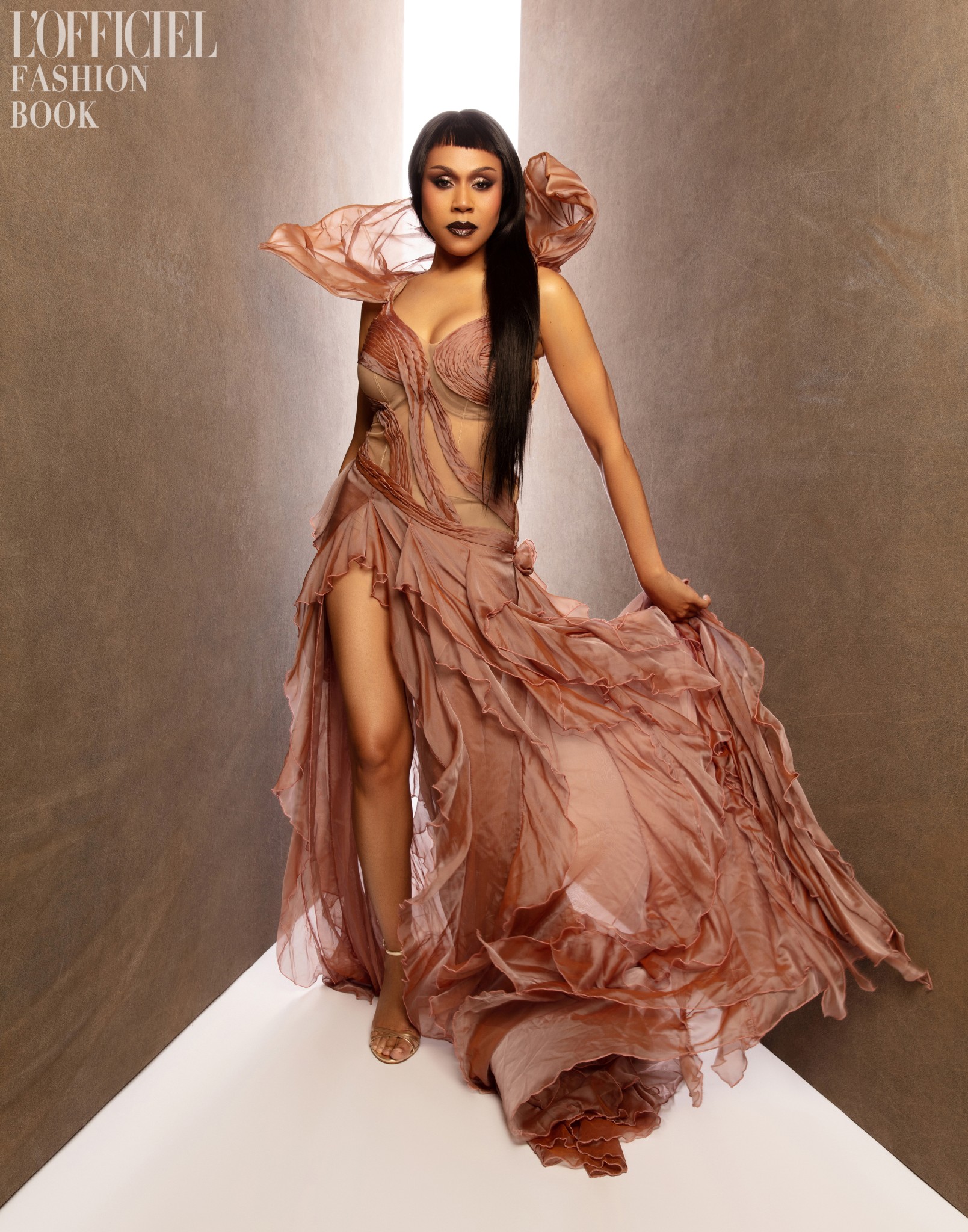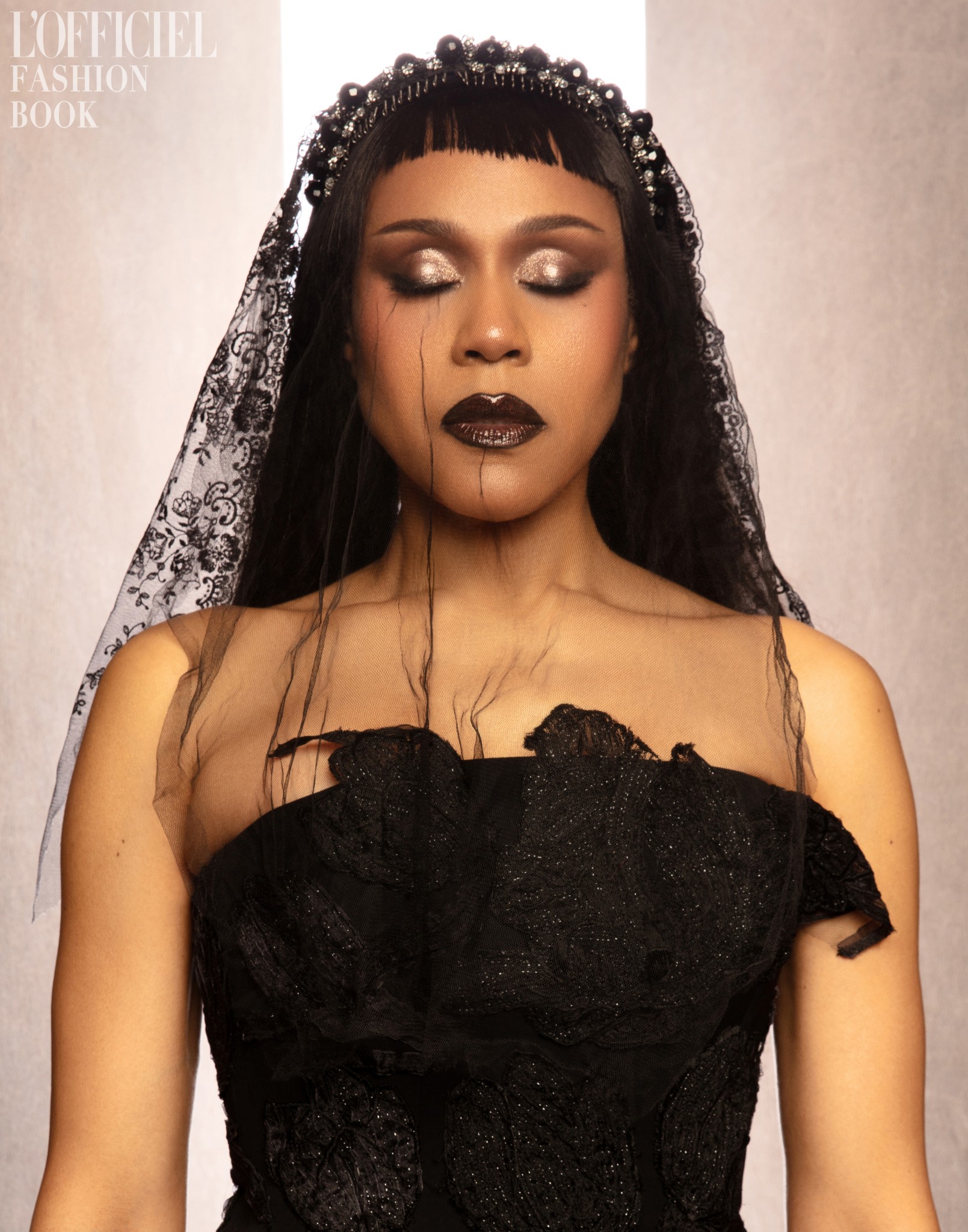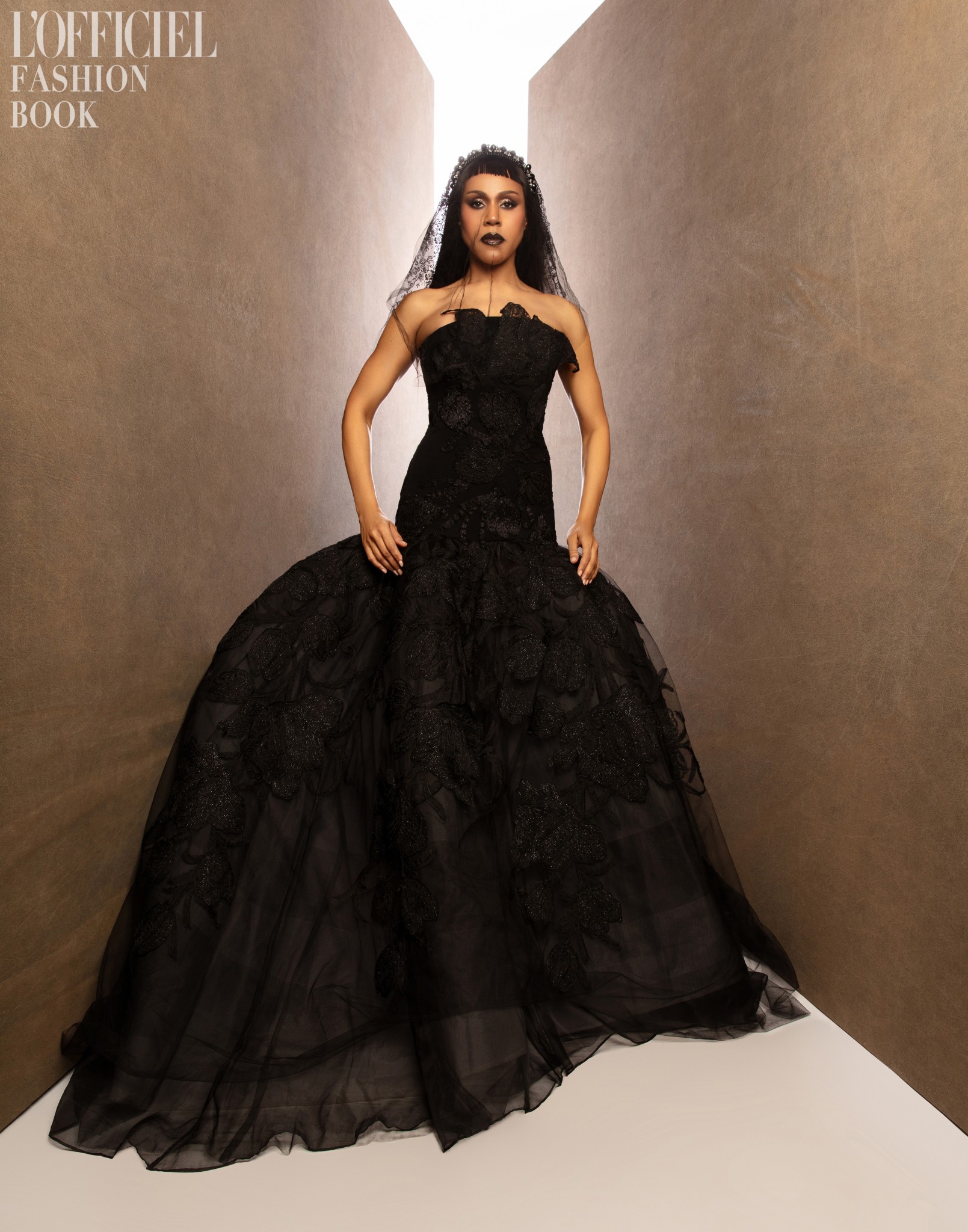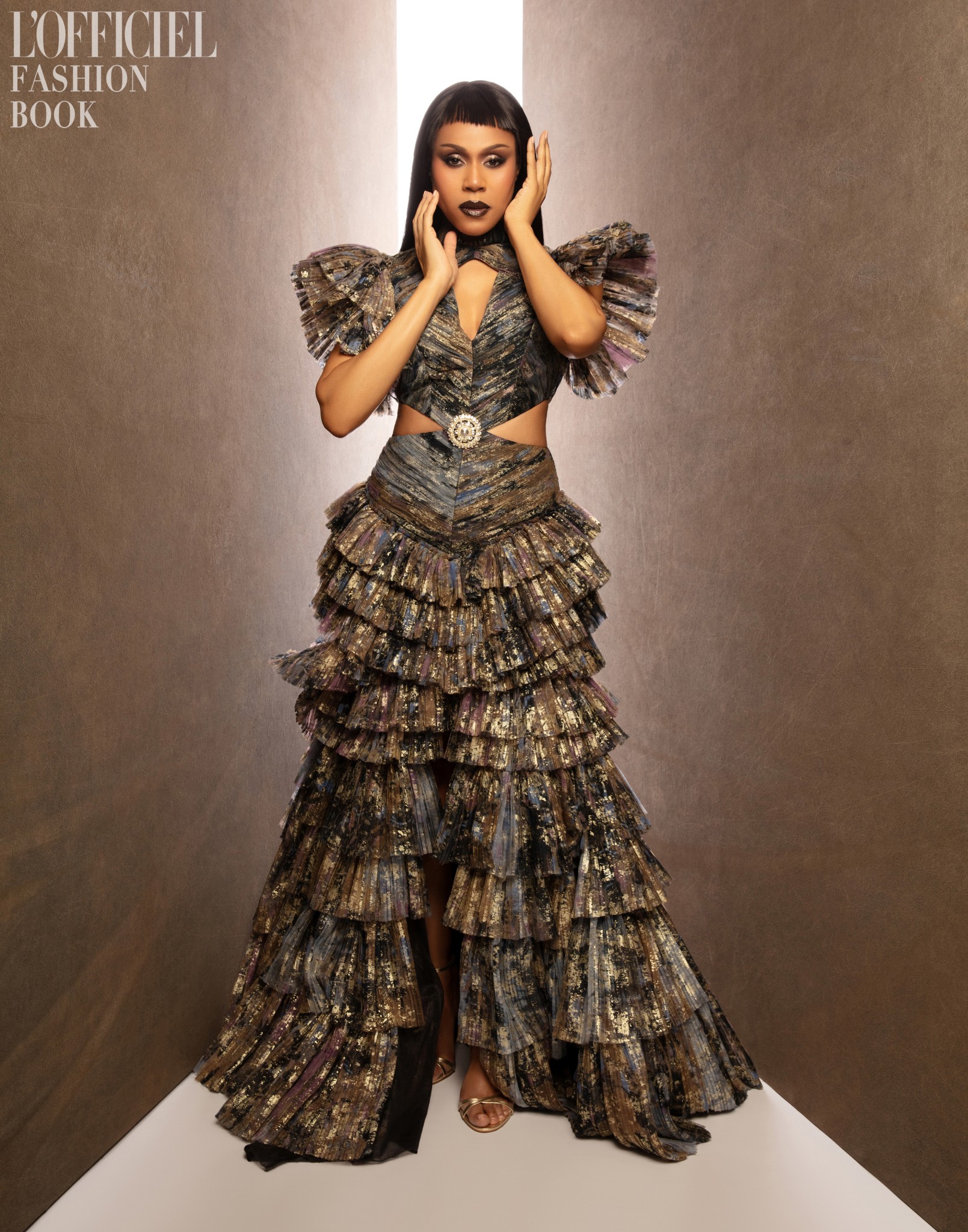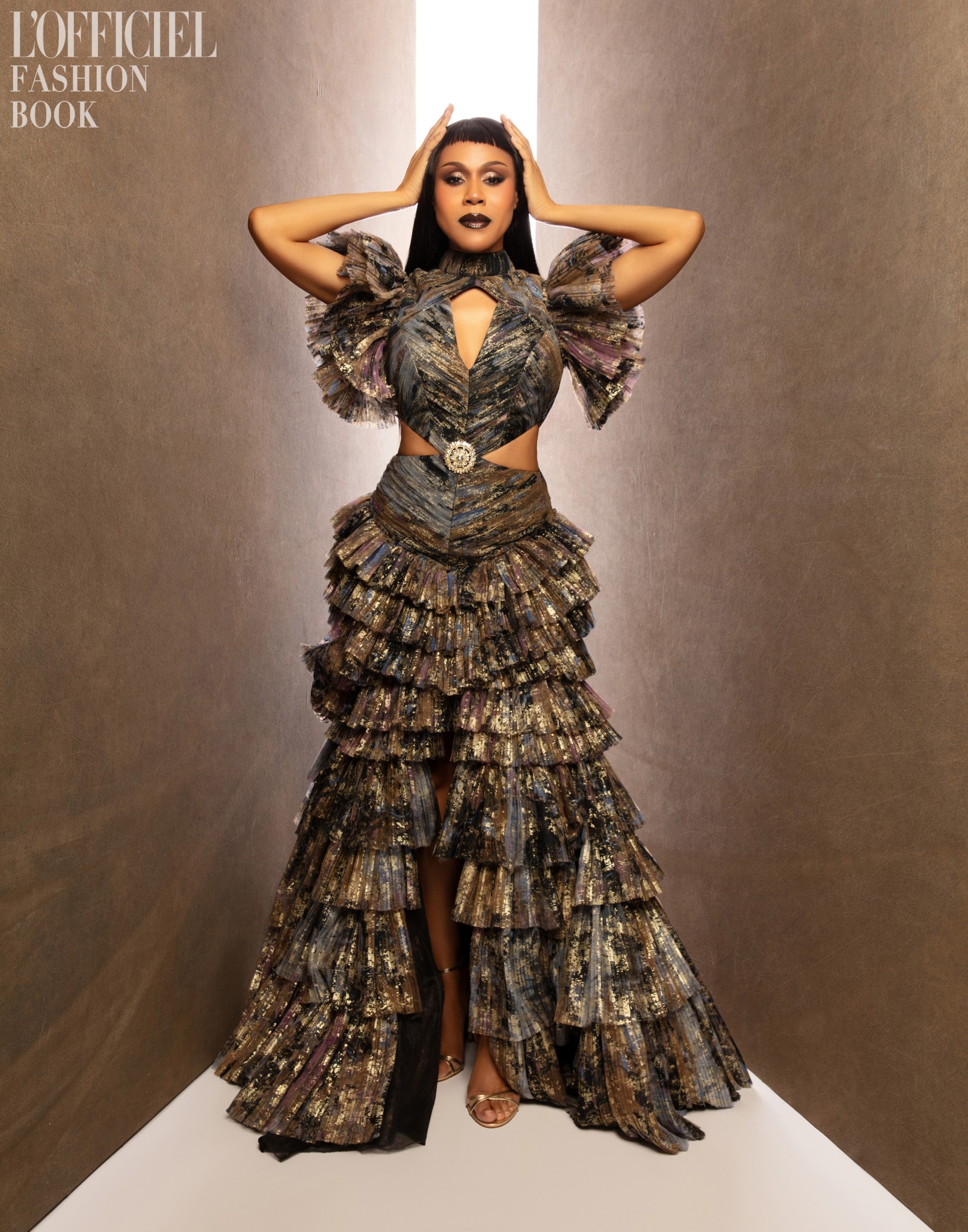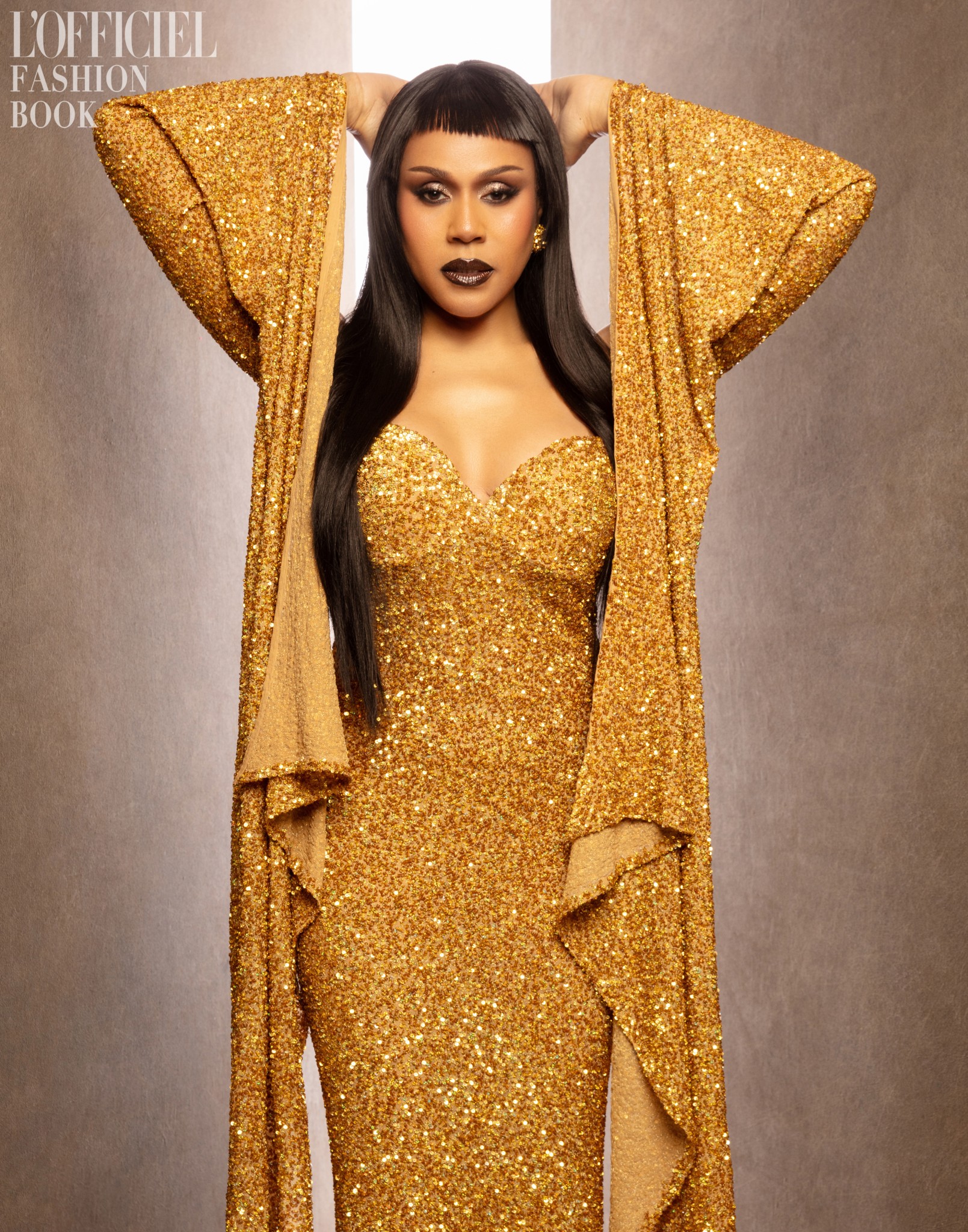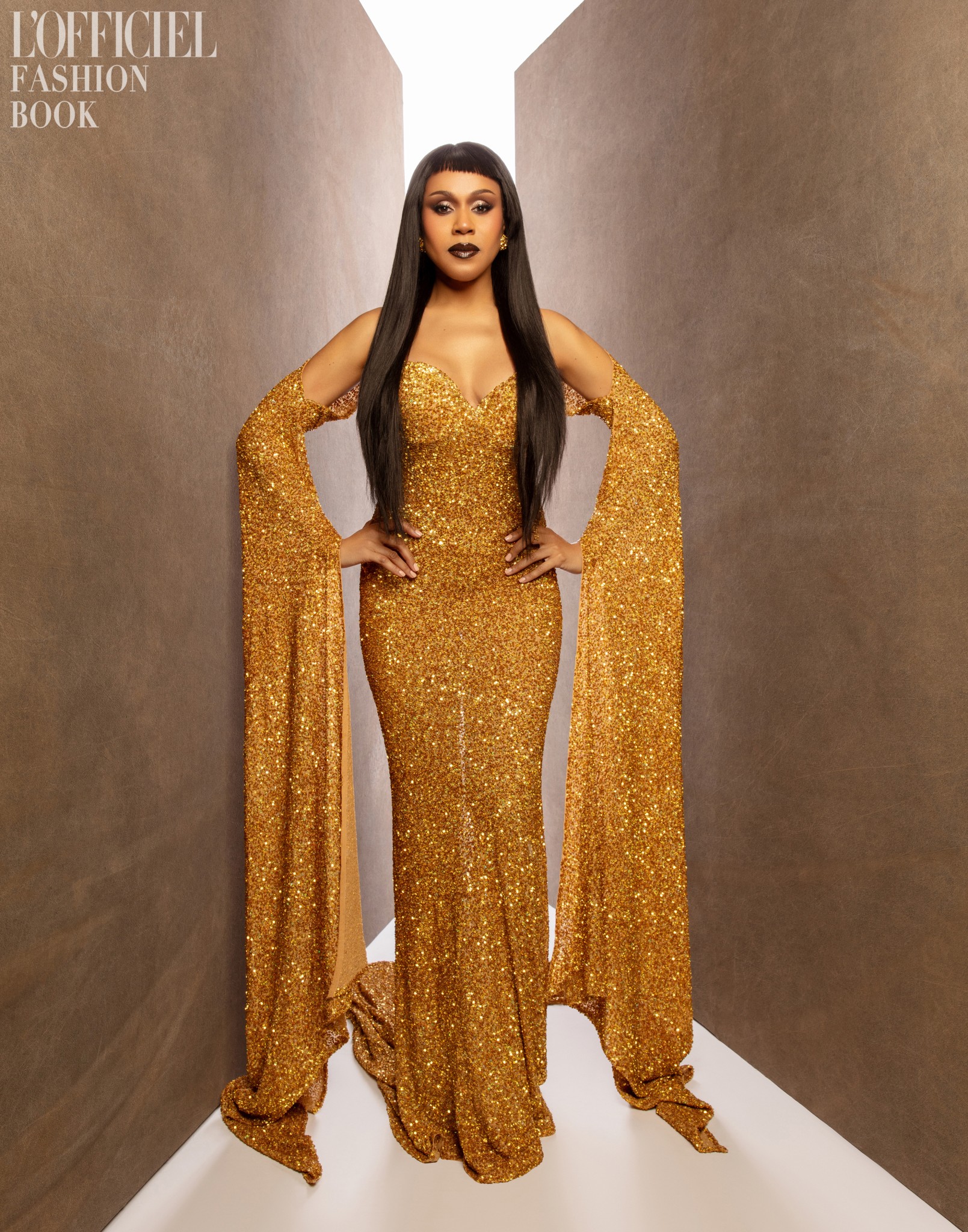

Deborah Cox has always moved with grace between worlds: music, stage, performance and production. Now, with her latest Broadway chapter in Titaníque, she steps into a new kind of spotlight, one built around comedy, joy and the freedom to show a side of herself audiences may not have seen before.
Cox opens up about joining the hit Broadway production, working with a cast that feels like family, the thrill of live performance, her role as Molly Brown, producing through DECO Entertainment, and why this moment feels like a return to the fearless, dream-driven artist she was at the beginning.
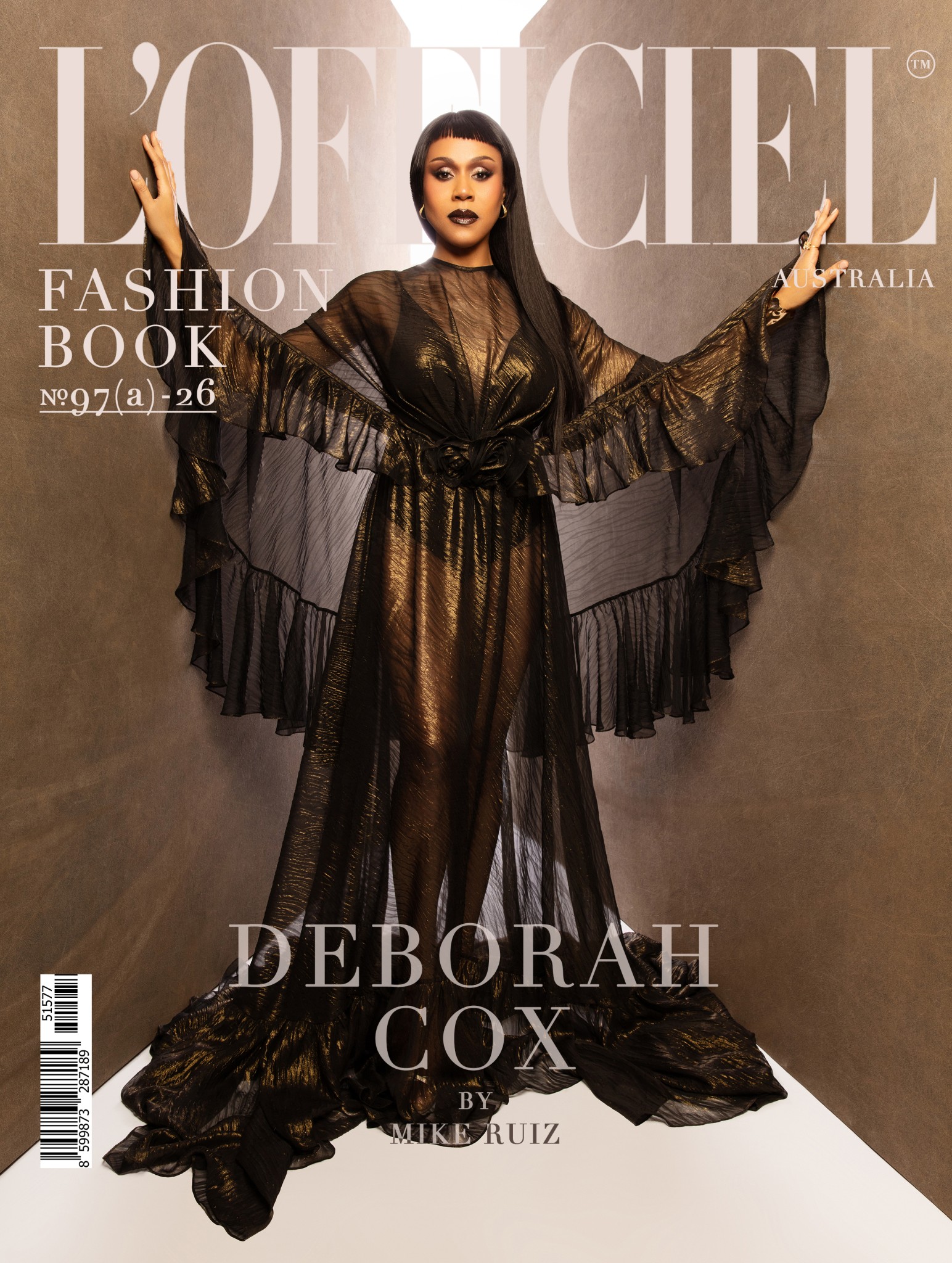

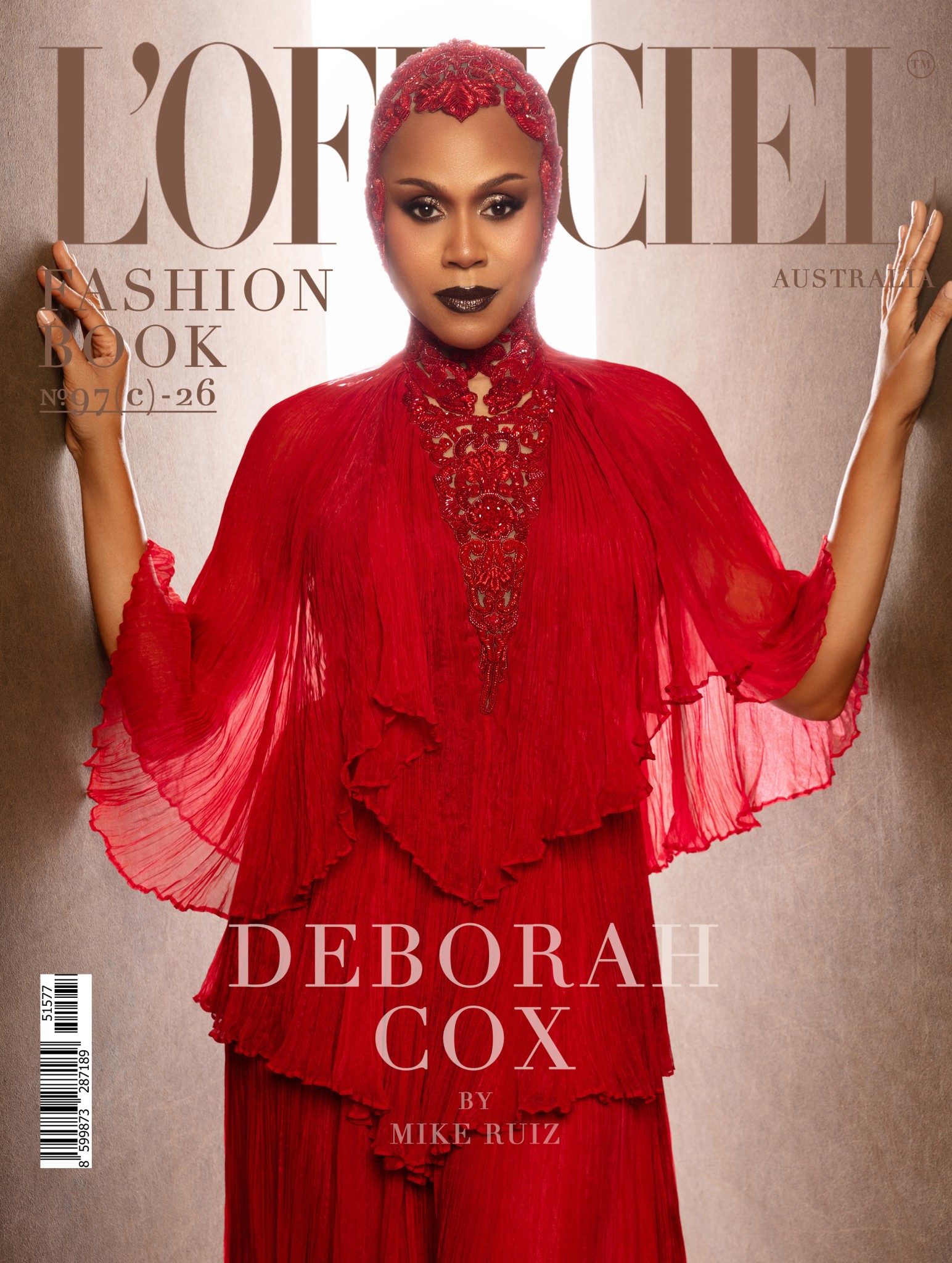
Talent: Deborah Cox @deborahcox
Photography, Creative Direction and Production by: Mike Ruiz @mikeruizone
Editor-in-Chief: Dimitri Vorontsov @dimitrivorontsov
Associate Editor: Mathias Oni-Eseleh Jr. @mathias_oni
Fashion Stylist: Melvin Sanders @melvinstyles
Corey Tuttle for Executive Artists using Oribe @coreytuttlehair
Makeup: Deney Adam using Mac Cosmetics @deney_adam
ALL SHOES SPONSORED BY STEVE MADDEN
Graphic Designer: Daniel Lopez @by_danalarcon
Set Design: Jasin Cadic @jasincadic
Assistant: River Chad @rvrchd
SPECIAL THANKS TO LOFT ELEVEN TEN @lofteleventen
Dimitri: First of all, congratulations on Titaníque and on the Broadway extension. I understand the show is now running through September 20. How does that feel?
Deborah Cox: Thank you, thank you. We actually just found out that we’re going to be extended. The show has been really selling out and it has been a lot of fun. We’re now going until the end of September.
Dimitri: That is amazing. Was it originally planned as a shorter limited run?
Deborah Cox: It was supposed to be a limited run until mid-July, until July 12.
Dimitri: And now you are extended through September. Congratulations. This is your second time as a Broadway producer, correct?
Deborah Cox: It’s my second time. The last show that I did was The Wiz.
Dimitri: With The Wiz, many people probably think first of your performance, but you were also involved as a producer. Tell me more about that side of your work and how it connects to Titaníque.
Deborah Cox: I tend to just move in the spirit of things that I feel connected to. I really felt that there was something special about this group and this cast, which is the reason why both my husband and I, through our production company DECO Entertainment, wanted to come on as co-producers on the show.
Dimitri: For this cover story, I would love to focus on Titaníque as the centerpiece while also touching on your wider body of work. What does this show represent for you right now?
Deborah Cox: This is the first time I’ve taken on a comedy.
Dimitri: How does it feel to step into comedy and into a fresher, more playful realm for you?
Deborah Cox: It feels really exhilarating. It’s a lot of fun. I feel like a teenager again in a lot of ways, because I think when you’re first coming into this business, you’re brought together with a lot of different artists who are like-minded, who also want to have a career in this business. You’re placed in different scenarios and different productions, and you get to play, in a sense. You get to workshop.
That is what this process has been: learning my way around the choreography, the staging and the scenes. Some of it is so hilarious that I have to really concentrate on not breaking, because we’re all just so hysterical. There are so many funny scenes in this show. It offers such a good time. You can’t believe how much laughing and smiling you’ve done when you see it.
Dimitri: We need more comedy, especially now. There is something powerful about giving people permission to laugh.
Deborah Cox: We really do. Absolutely. That’s what’s been so rewarding about the show. Not only is it a show that celebrates your authenticity and being who you are, whether you’re queer or wherever you are in society, it celebrates everyone. I think you can come to the show and be yourself. You can celebrate self-love, your silliness, your awkwardness and your weirdness. It really invites you to let go of all the isms and gives you license to just be fun and happy in the most ridiculous way.
Dimitri: Do you feel freer doing comedy than you might in something more serious? Does laughter let you release certain things on stage?
Deborah Cox: I think so. For me, I am genuinely a person who is very quirky and silly anyway. When I discussed doing this show with my family, the first thing my son said was, “Mom, this is going to be an opportunity for people to really see who you are. They’ll get to see the person that we know and love.” It really touched me because now I can admit that I am actually the crazy one in the family. Everyone else is very laid back, but I tend to be the one who is wild, in a fun way.
I think this show really shows that side of me that no one has ever seen. It was a great invitation to give myself license to get back to that teenage Deborah who did not have a care in the world, who wanted to be an artist, who wanted to do musical theater and be a recording artist, and who was a dreamer. I find that this show, at this stage of my life, is really the cherry on top.
Dimitri: The cast feels like a major part of that energy. Can you talk about your castmates and the chemistry around the show?
Deborah Cox: Yes. I found an extended family. I really have. Jim Parsons, Melissa Barrera, Frankie Grande, who I’ve known for almost 20 years, John Riddle and Layton Williams. All of us share this closeness that is very rare to find in a cast. We not only have chemistry on stage, but we have a lot of chemistry off stage. I think that serves the piece. It serves the show. People really feed off seeing how much joy we’re having doing this production.
There is something really cool about that and really rare, and I revel in it. Knowing that we are extending means we get to have even more fun, because we genuinely care for each other and take care of each other. We really look out for each other. There is no ego. It’s a true ensemble piece. There are moments in the show where we all get to show out and do our thing, and it really lends itself to just having fun. That has probably been the most rewarding part of this show, because it doesn’t happen all the time.
Dimitri: Stage performance is so different from film or television. There is no cut, no second take, no chance to stop and do it again. You have to be the best you can be that night, and every night is different because it is live. How do you experience that pressure?
Deborah Cox: You really hit the nail on the head. It’s like walking a tightrope. There is no safety net. You literally are live. The show is 90 minutes long, so it lends itself to being like a sketch comedy. There is a lot of improv in the show. It’s a quick 90 minutes. There is no intermission. We really are on a roller coaster ride.
Once the show starts, it’s scary, but at the same time it is really fun and exhilarating. I don’t know what other word to use outside of exhilarating, because it just is. You get on this fast train and you’re just going non-stop for 90 minutes. It is a real wild ride.
Dimitri: You are producing it with your husband and also performing in it. How did the role come to you, and how did you approach the show with the director?
Deborah Cox: The director, Tye Blue, approached me about the project. I got an email describing the vision for the show and the role they were interested in me playing. I had never seen any version of it. This is an award-winning show that was Off-Broadway, and they also had a version in London, but they really wanted this Broadway version to set the tone for how they had always wanted the show to be.
When Tye talked to me about the project, first by email and then in conversation, I said, “I’m in.” He described Molly Brown, who she was and the weight of her character. She was a real person who lived through the shipwreck and was able to tell her story. She ran for Senate in Colorado. She became a real philanthropist and activist for women and children. Back in those times, women did not have a voice. Men were very domineering and did not allow women to give any sort of directives.
She had people on her lifeboat, but the person in charge would not allow her to go back to save more people, so she always felt that she could have done more. It is an exceptional story. A lot of the poor, the servants and the people who were in steerage were the ones she ended up helping. Later on, she raised over $10,000 back then to give them resources so they could continue to live, because they had lost everything. She really had a heart for humanity.
I went into this role with that in mind and with that same energy and spirit. As much fun as it is to play, I think it is also very interesting to talk about the essence of the character. I felt like that was really in alignment with who I am as a person. It is not very far away from who I am, so in that respect, it is an easy role to play.
Dimitri: So you were able to bring a lot of your own character and spirit into Molly Brown.
Deborah Cox: Yes.
Dimitri: Broadway has always had a close relationship with critics and reviews. Were you eager to read the reviews when the show opened, or did you prefer not to touch them?
Deborah Cox: I used to be that person who would go and read all the reviews. I used to be overly concerned with everything that was outside of me. I’ve learned over the years that you don’t have control over other people’s opinions, what they feel or what they think of you, the show or anything else. You really have no way of changing people’s minds if they feel a certain way.
Once I got hold of that, it made me realize that I need to go into this with my own perspective and just enjoy my time in the show. That’s literally what has been happening with me. I have not really cared about the critics, because to me, the audience that is paying every night to see the show, that is the response. People leave the theater with a smile and with joy in their hearts. I feel like that is the service of the show. That is what we are supposed to be doing. Outside of the quotes that are on the actual theater, I have not read a review.
Dimitri: That feels like the healthiest way to approach it. In film, music and theater, criticism exists, but ultimately it is still someone else’s opinion. The audience response can tell you something more immediate and honest.
Deborah Cox: I totally agree.
Dimitri: Are you planning to go back into the studio as well?
Deborah Cox: Yes, absolutely. I’m working on new music as well, and I am working on something very special for this project. I don’t know that it will be out by the time this story is out, but I am definitely working on it. That is kind of like a prerequisite. Anytime I do a new project, I add a new musical element to it. It is definitely in the works.
Dimitri: Because your career has moved through R&B, dance, theater and so many different musical spaces, do you feel your sound is changing again? Are you staying close to classic Deborah Cox R&B, or are you open to exploring different sounds and genres now?
Deborah Cox: I feel open to explore. I feel open to evolve. I think it does a disservice if you try to recapture something that was of a completely different era or a completely different time. I never get caught up in trying to redo “Sentimental” or “Nobody’s Supposed to Be Here” or any of the really popular songs, the hits. I always try to meet the music where I am, so it really reflects my present state of mind.
I’ve been all over the place musically in what I’ve been listening to and what I’ve been immersed in. I think this next project will be a nice mixture of different genres, and in the variety of it all, I think you’ll hear the cohesiveness in the way that an album reflects different sides of you. That’s kind of where I am right now.
Dimitri: Music has changed so much because of streaming. In many ways, artists do not need record labels in the same way anymore. They need distribution, control and a direct relationship with their audience. How do you feel about that shift from a label-driven industry to something more artist-driven?
Deborah Cox: You’re right. It was not even that long ago, but it seems like the industry is still changing and evolving. Now it is so different that I don’t even recognize it anymore. I just go project to project and focus on each project as it comes along.
Dimitri: Do you release through your own structure now, or do you still work with labels depending on the project?
Deborah Cox: I do it differently. We have a label and a recording group, but we do a lot of collaborations with other labels and other projects. It just depends on what it is. I’m very open to collaborating because I found that while I was on a major label, I did less product. I was not allowed to do some other projects that I really wanted to do, and to me, that can be hindering as an artist. I think you should be able to explore and try different things. Sometimes with a major, you are just not allowed to do that, and I don’t like that.
Dimitri: One thing everyone in music is talking about now is artificial intelligence. There are platforms that can generate vocals or even turn a prompt into a full production. As a vocalist and recording artist, how do you feel about AI entering music in that way?
Deborah Cox: It is really difficult to answer that question because I only know what I know. I only know creating from the idea happening and then creating it, singing it and doing it musically. I don’t know how to work from a place of non-creativity. I have only worked from a place of inspiration.
A lot of DJs and producers have a different process that probably fits more of the AI narrative, because they are given all of the assets and then from that they do their remix. I don’t know. It saddens me that talent is being taken for granted. There is no regard for people who can actually sing, for a person who can make you feel something live. There is no soul or lived experience with an AI voice.
Dimitri: That is exactly the issue. AI can create something polished, but there is a difference between something being technically perfect and something having soul, history and lived experience behind it.
Deborah Cox: Absolutely.
Dimitri: Deborah, thank you so much. It was lovely to meet you, and we will stay in touch.
Deborah Cox: Likewise. Thanks so much, Dimitri.