
POLYMATH IN MOTION
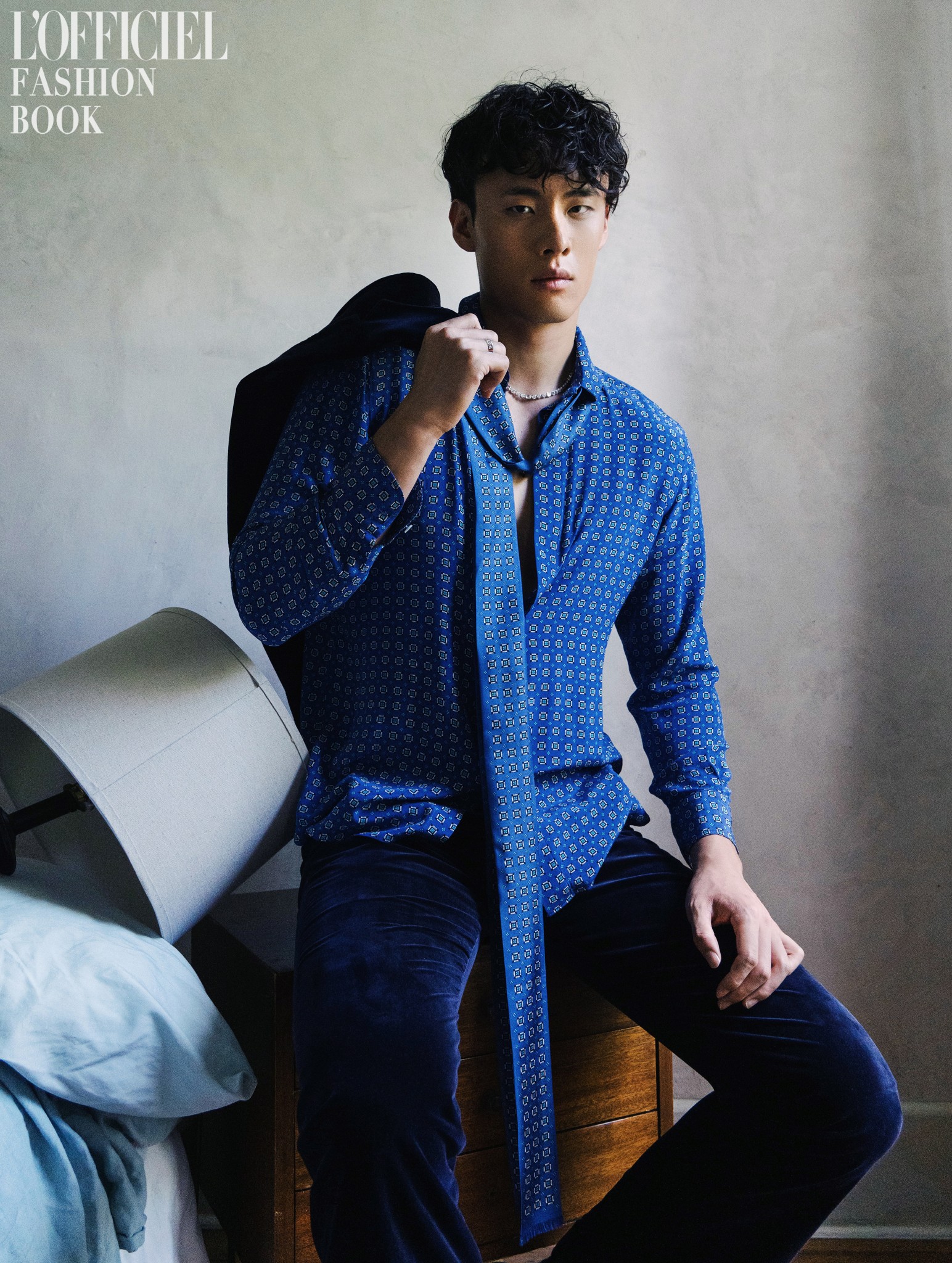
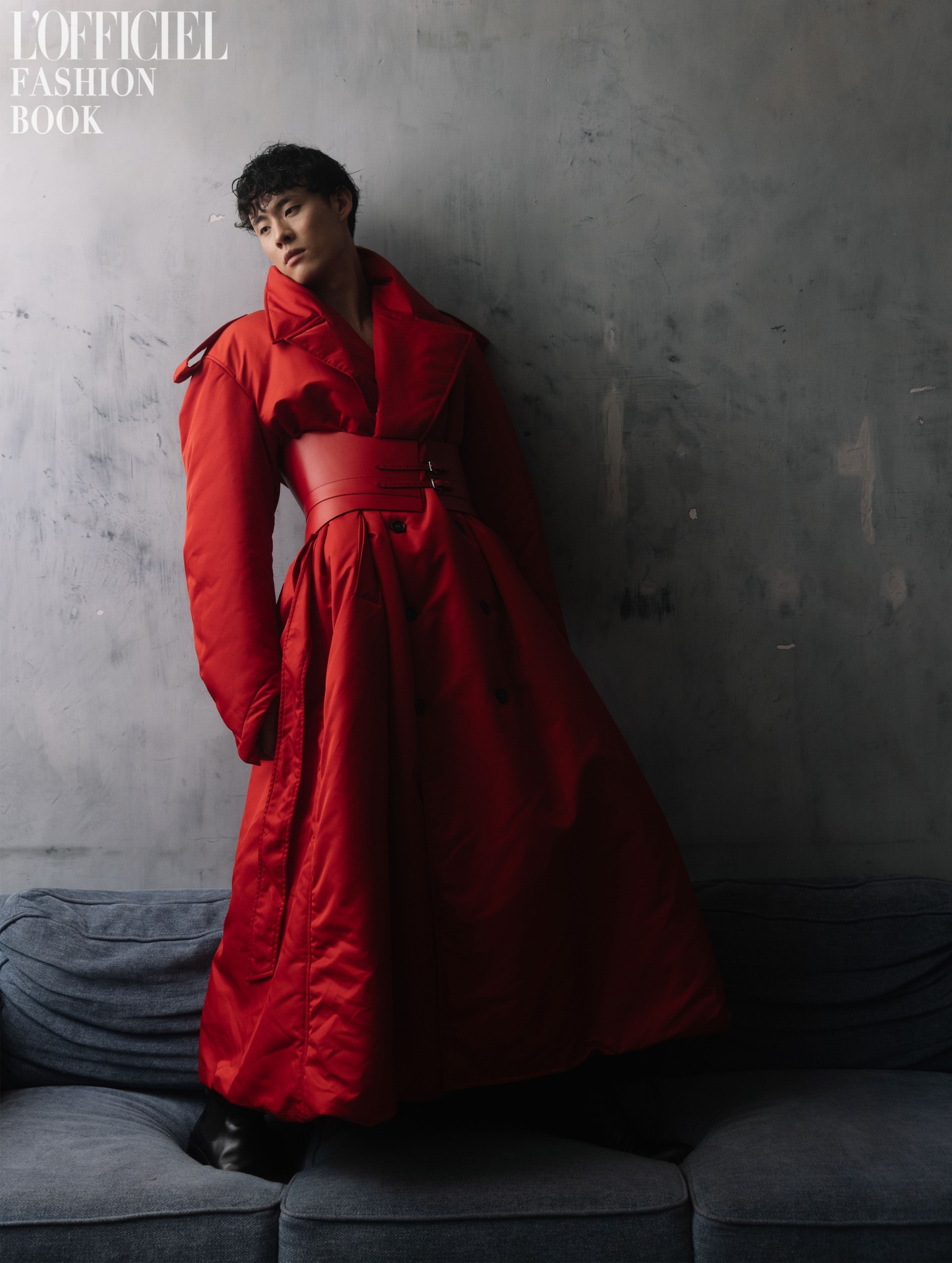
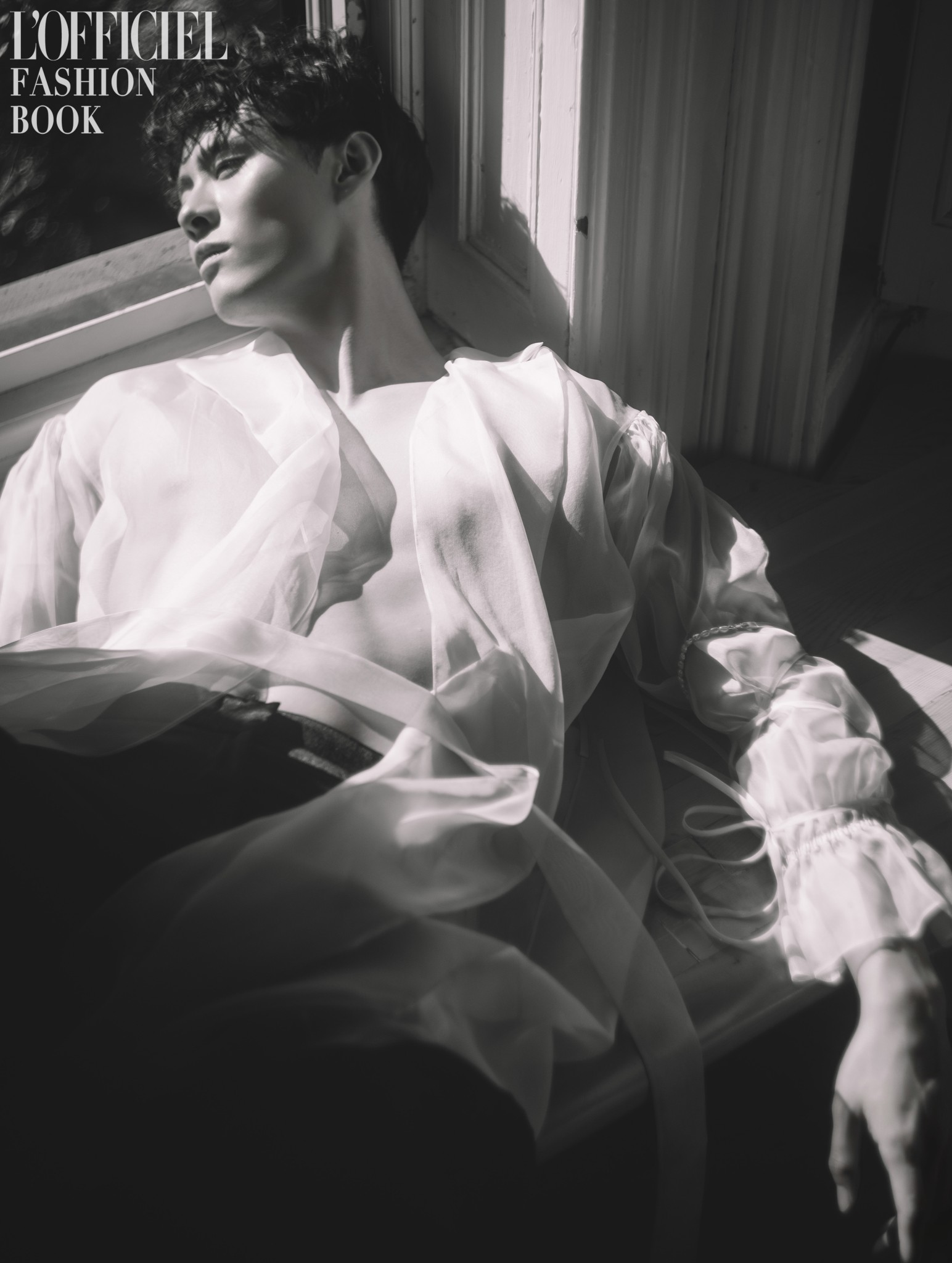
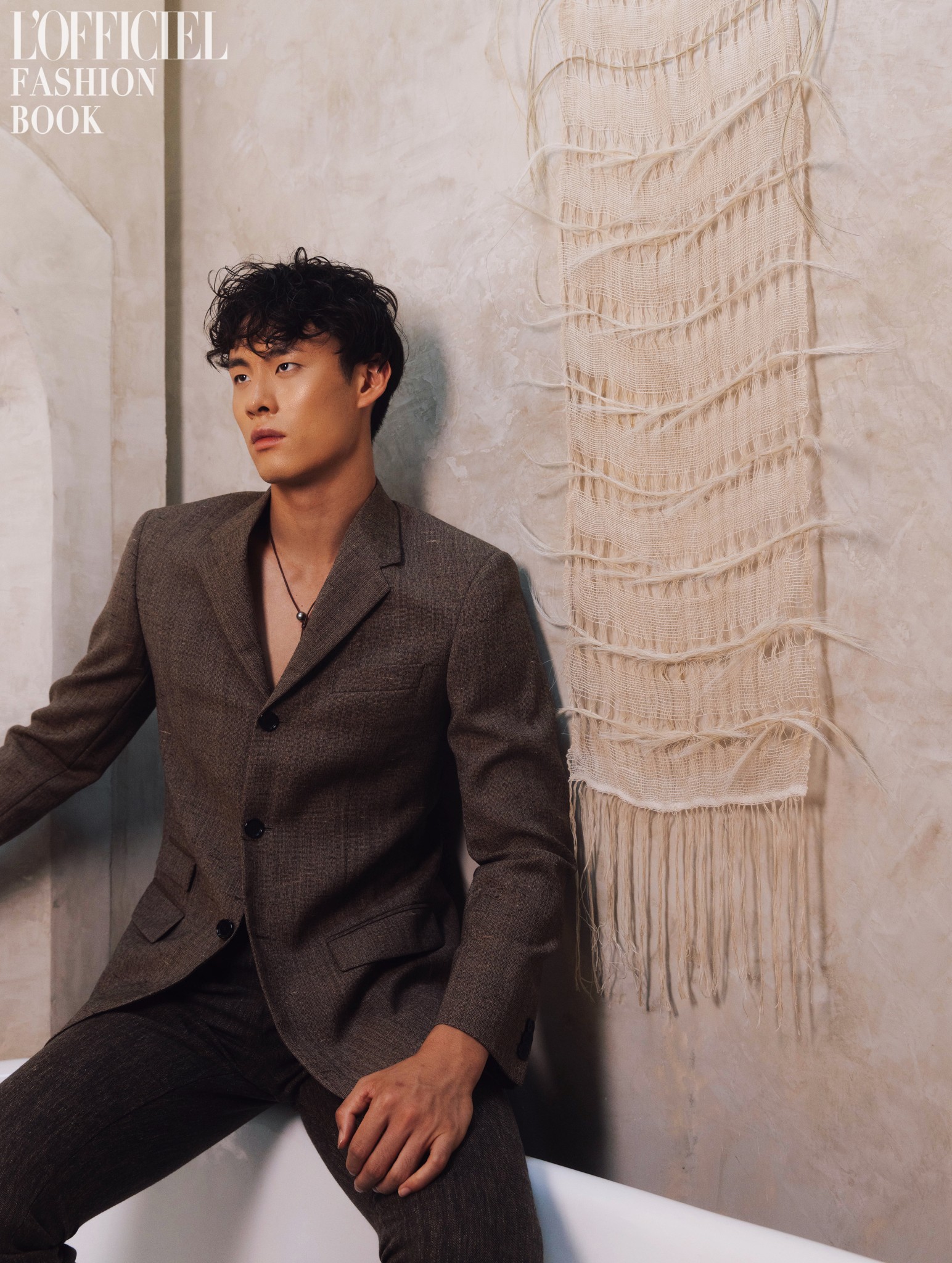
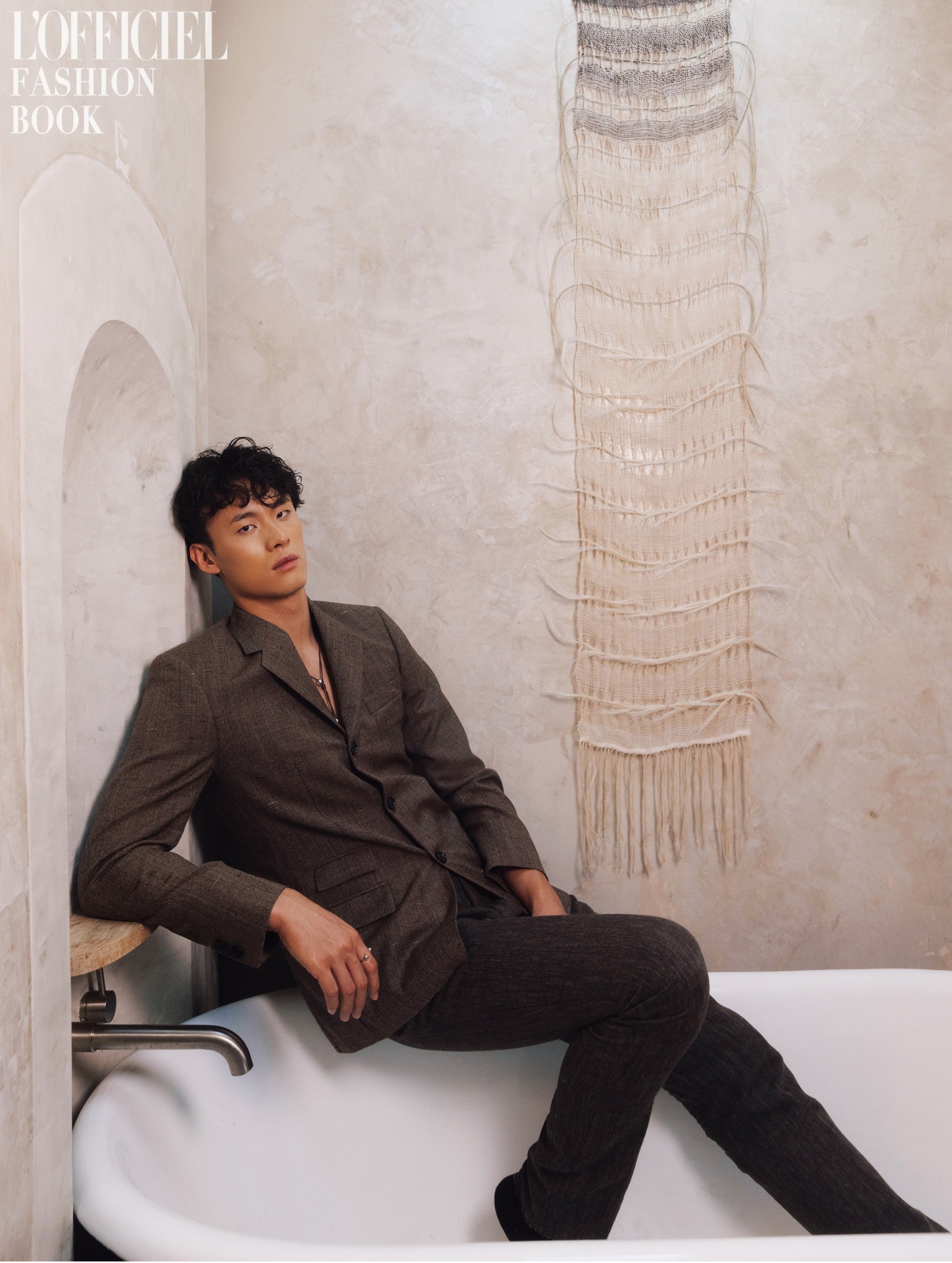
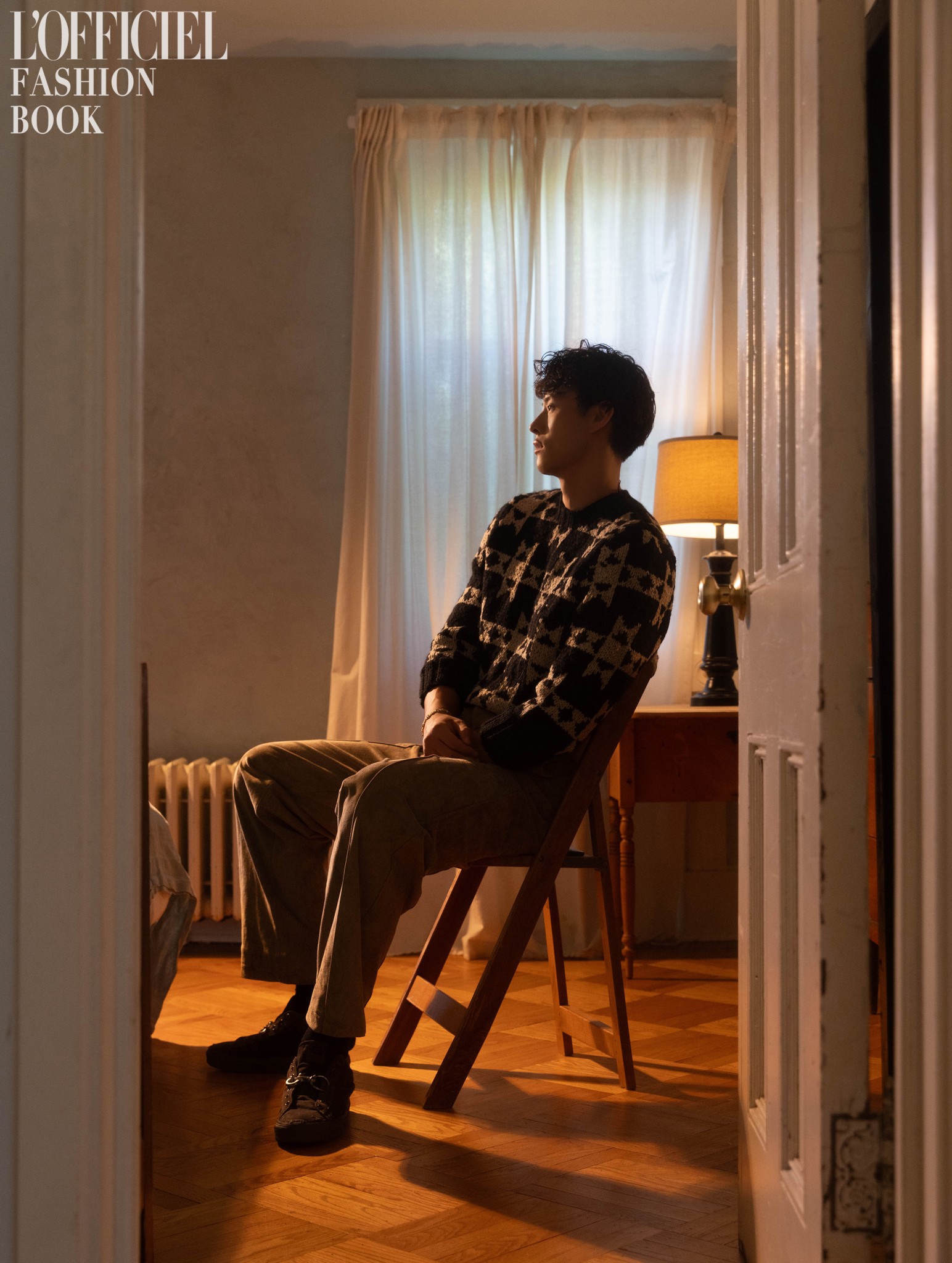
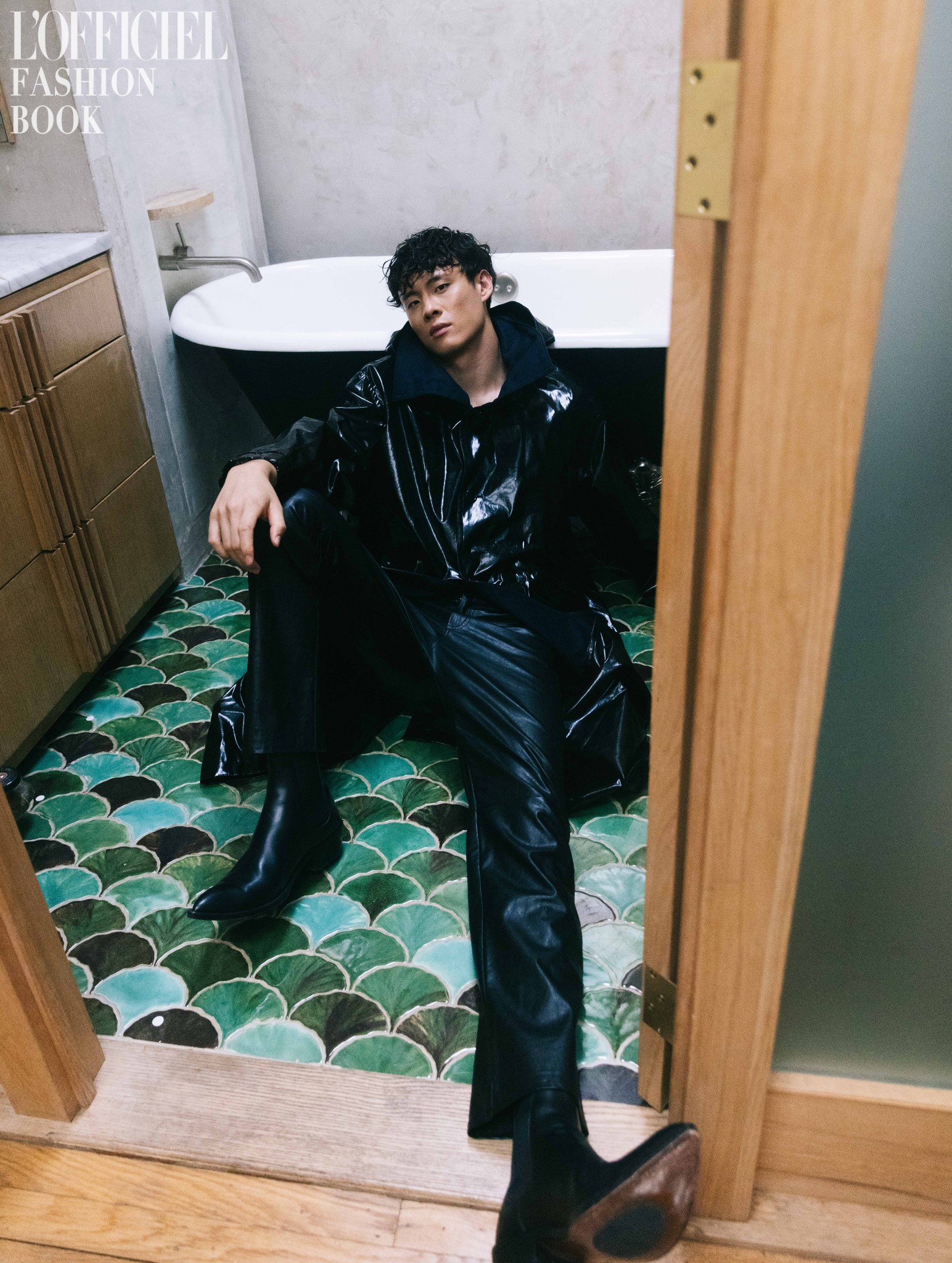
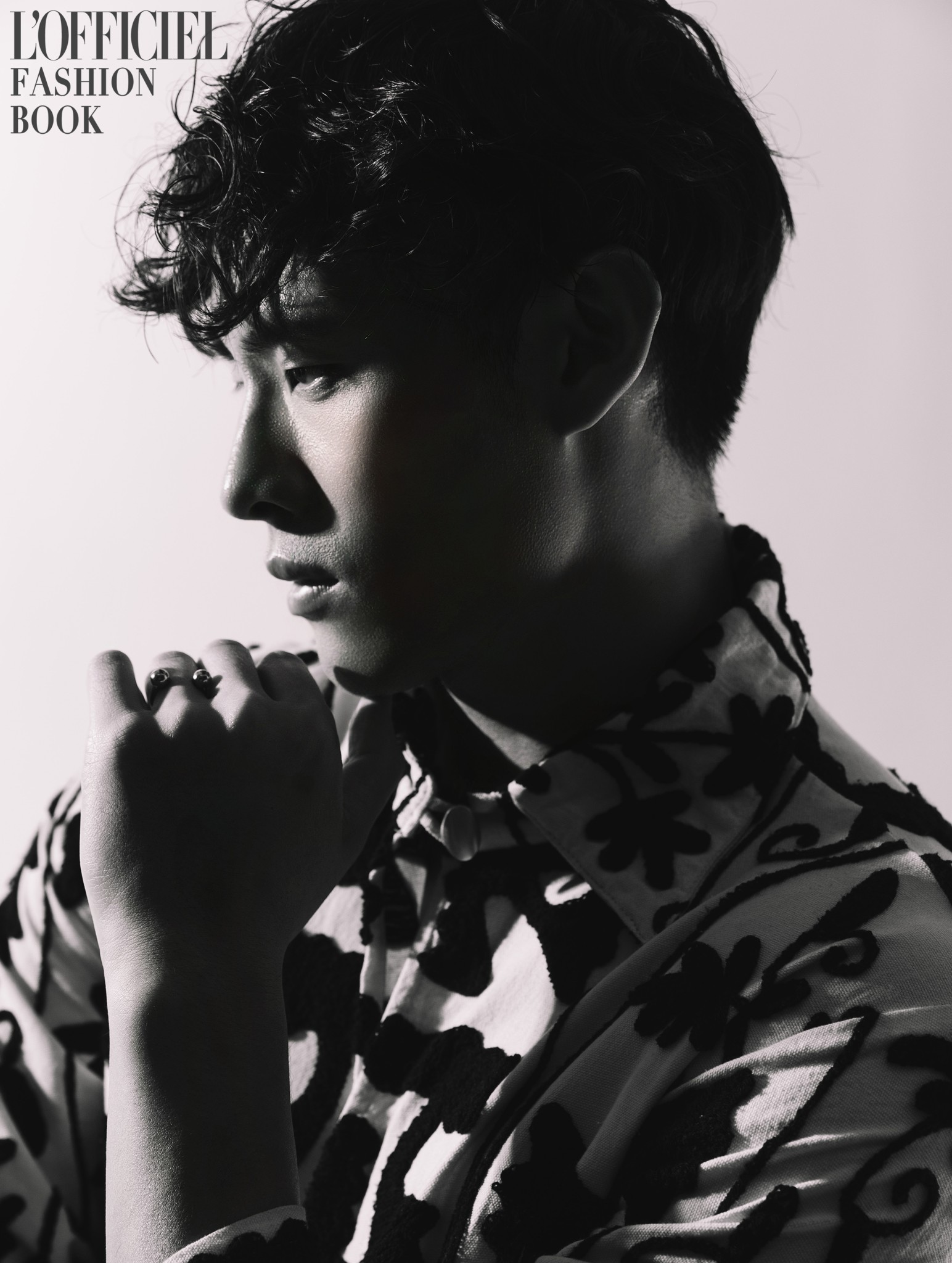
Jack He has never been interested in choosing just one life. A graduate of New York University in business and acting, he moves between executive leadership and performance, from classical piano and vocal training to dance and aerial straps. For this cover story, Jack reflects on returning to New York, reclaiming his body from fashion’s measurements, abandoning prestige in favour of genuine expression, and the responsibility he feels to connect creative talent with the business structures that can sustain it.
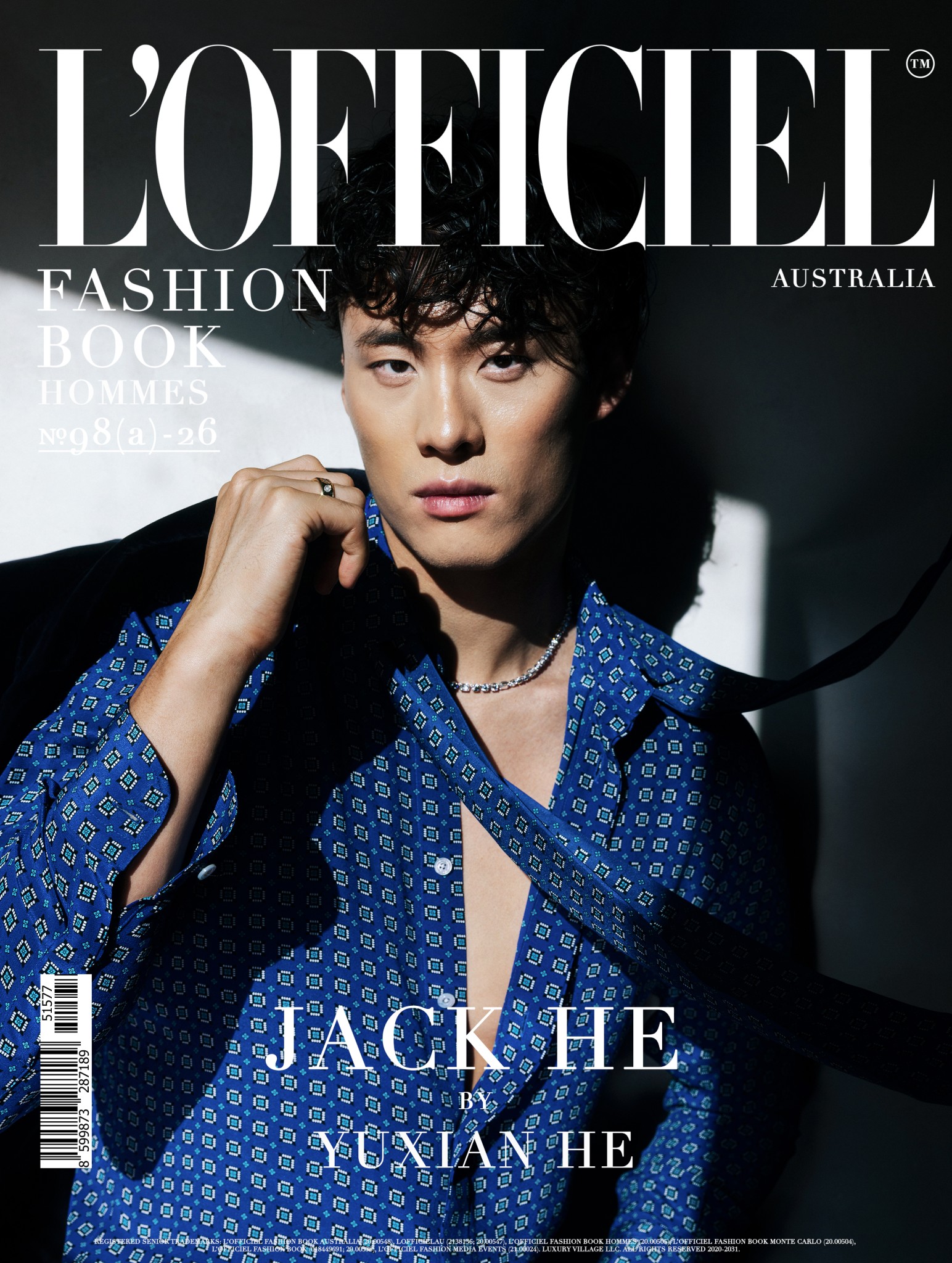
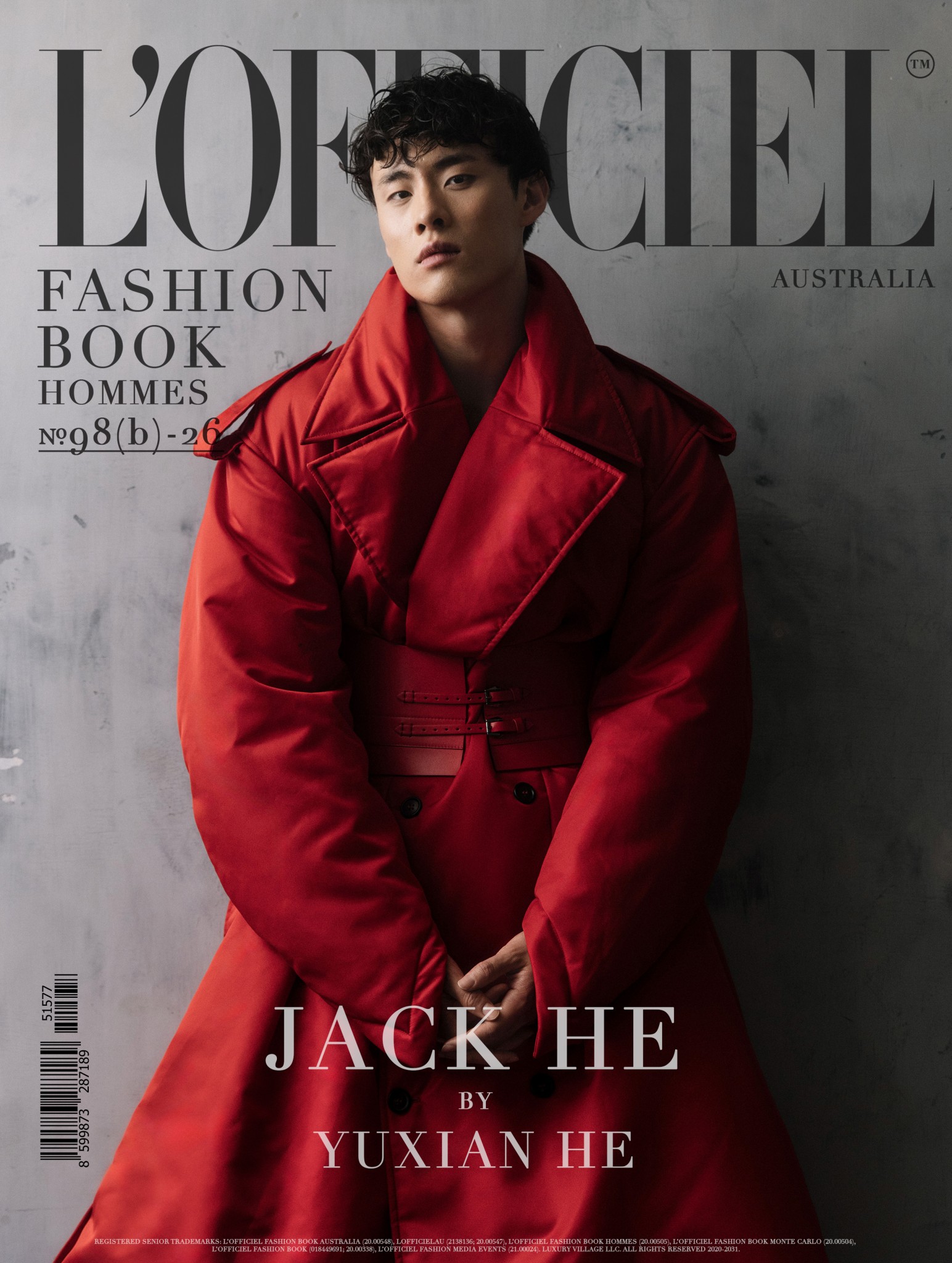
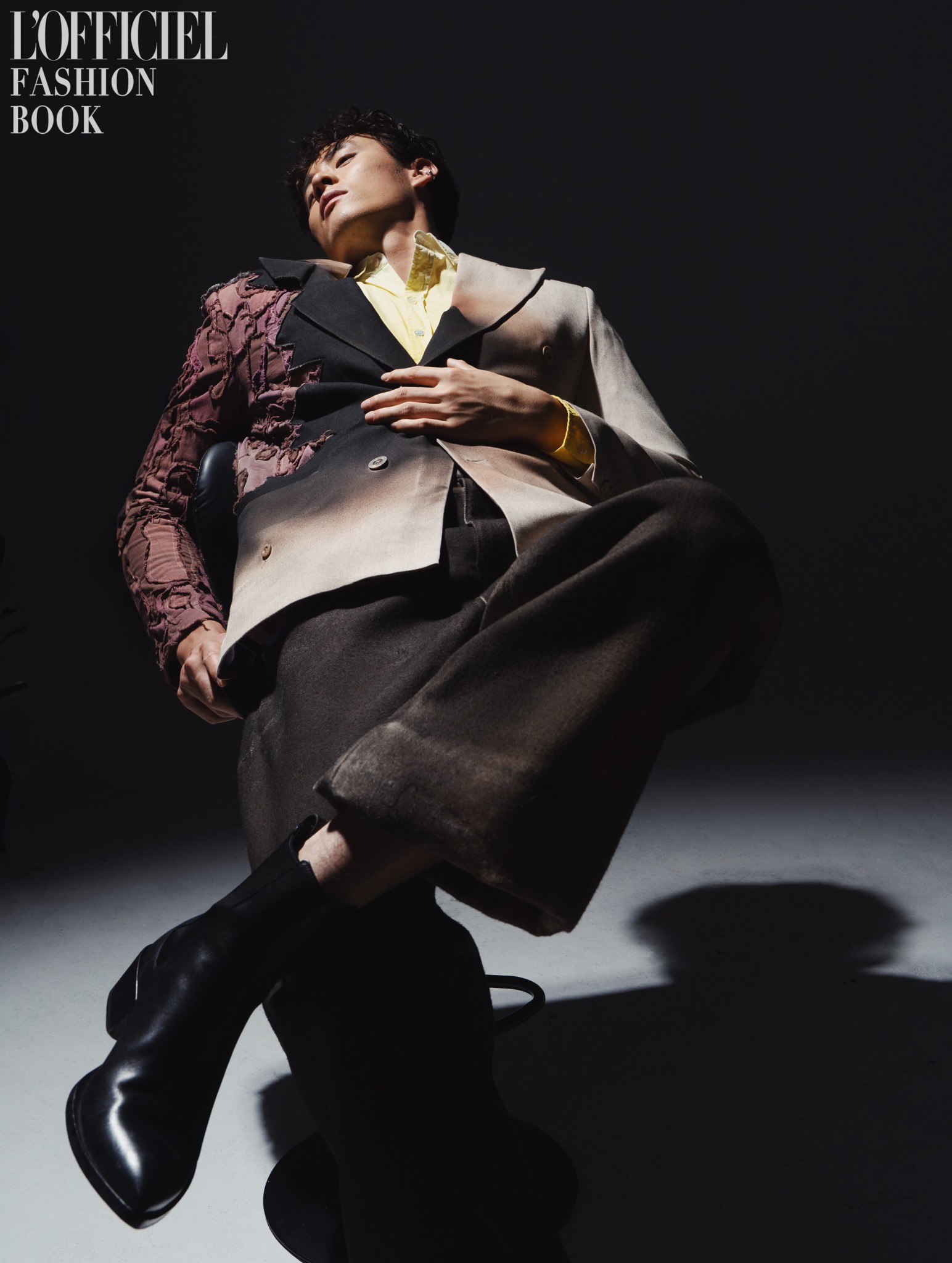
Talent: Jack He @jackhex_
Editor-in-Chief: Dimitri Vorontsov @dimitrivorontsov
Associate Editor: Mathias Oni-Eseleh Jr. @mathias_oni
Art Director & Content Photographer: Jiaming Deng @stephen0918.photo
Cover Photographer: Yuxian He @brianhyx
Creative Director: Nastassia Shumeiko @nastya_shumeyko_
Stylist: Tianyun Lan @tianyun___
Styling Assistant: Yana Santina @yanayawnz
Makeup Artist: Helen Tang @helentang7927
Gaffer: Qijia Li @fzhc_q
Key Grip: Shizheng Quan @kovevok
Production Assistant: Kaitlin Lemke @kaitlinlemke
NEW YORK, MOVEMENT & THE BODY
Dimitri: You returned to New York expecting the same chaos you remembered from your modelling years, yet this cover shoot became something entirely different. What made the experience feel like such a full-circle moment?
Jack He: To be completely honest, flying back to New York for this cover shoot, I fully expected the set to be absolute chaos. When I was modeling in NYC during my time at NYU, everything was relentlessly fast-paced, hectic, and high-stress. That frantic energy was all I knew of the city’s fashion ecosystem.
This shoot was the exact opposite—a total breath of fresh air. It was a true high-production, high-budget experience where months of careful planning paid off seamlessly. From the dedicated transportation logistics to the sheer size and expertise of the crew on set, every single detail was handled with precision. Instead of rushing, the photographer, art director, and styling team created an incredibly calm, collaborative atmosphere. They cared about everyone’s energy and continually checked in to see what poses made me feel most alive, fluid, and powerful. Stepping into that level of prestige in the same city where I used to sprint between casting calls felt like a profound full-circle moment.
Dimitri: During your years at NYU, you were moving between modelling, acting, business classes and finance recruitment, often forced to choose between completely different futures on the same day. What did that period actually look and feel like?
Jack He: I don’t think I ever actually walked down the streets of SoHo during those years; I was perpetually running. I was constantly managing agency issues, strict class attendance policies, and finance recruitment all at once. My daily uniform became Chelsea boots, baggy jeans, a tank top, and maybe a huge long coat when it was cold—strictly because they were practical enough to sprint between Manhattan casting calls and university lectures.
It felt ridiculous at times—having to turn down New York Fashion Week shows for an unpaid student drama production that had one-tenth of the budget. But I loved every single moment of the process.
The peak of that chaos was a day I had to choose between three things at once: a campaign shoot with storefront ads right next to my building in NYC, my acting school’s end-of-year show celebration, and a final-round management consulting interview. I called my parents in a panic. My mom told me to do the campaign shoot next door, while my dad insisted I do the consulting interview. Caught in the middle, I took the management consulting interview—the most miserable option available at the time! But the internal, personal growth from that era was unmatched.
After that first year of college, I decided to prioritize learning across different fields over traditional modeling. I was fortunate that the close people in my life supported that choice—even my agent in the U.S. backed me up.
Dimitri: By your second year at NYU, you had nearly completed your business coursework, yet you chose to double-major in acting. Why did developing yourself as a person become more important than taking the most efficient professional route?
Jack He: By my second year at NYU, I had already finished almost all my business courses. I realized I was at an age where I should focus entirely on developing myself internally and externally as a human being. Acting was the single best path to grow both emotionally and physically—from the inside out.
Dimitri: Acting school changed the way you understood the body, shifting the question from how you looked to how you felt. What did movement teach you about physical freedom?
Jack He: Movement classes were required courses in acting school, and they completely changed my perspective on physical form. I realized movement is an internal privilege—it serves an internal purpose first, rather than existing for societal approval. My focus shifted entirely from ‘how do I look to others?’ to ‘how do I feel internally? How can my movement become more free, mobile, and healthy?’ Shifting that mindset was what actually allowed me to start enjoying dance.
Dimitri: You began dancing at nearly twenty, at an age when many performers have already spent years in training. When did you stop judging the image in the mirror and begin trusting what movement allowed you to feel?
Jack He: It was definitely challenging at first. As someone who was nearly 20, tall, and not naturally flexible, I really didn’t like how I looked in a dance class mirror at the beginning. The biggest turning point was when I simply stopped caring about my reflection and focused entirely on how I felt physically and emotionally.
Looking good is just one tiny sensory detail. I started focusing on how the music affected me, how I connected with the space, the other dancers in the room, the lighting, and how I reacted to my spontaneous physical and emotional impulses.
Slowly, I fell in love with different genres because each gave voice to a distinct extreme emotion—Krumping allowed me to express raw rage, Afrobeats brought pure joy and reminded me of the beauty of life, and Jazz allowed me to express sexuality in an elegant, flirtatious way. Eventually, that curiosity led me to blend art with athletic training, diving into high-intensity bodyweight disciplines like ballet and aerial straps. That physical evolution was also the core reason I ultimately let go of standard model measurements.
Dimitri: For years, the modelling system asked you to become smaller, while water polo and later aerial straps demanded strength, nutrition and mobility. When you finally chose power over sample-size measurements, did it feel like a sacrifice or a form of liberation?
Jack He: Maintaining a standard lean model measurement was always an uphill battle for me. From high school through college, my agency in China was constantly telling me to cut weight to lower my measurements. But I was playing water polo at the time, and cutting weight meant sacrificing the physical power I needed in the water—which was always a point of regret for me.
To excel in aerial straps later on, my body required real nutrition, functional strength, and mobility. Reaching that level meant willingly giving up the hyper-lean measurements required for standard medium runway sample sizes. I decided to choose the body that made me feel healthy, strong, mobile, and energetic in its freest form.
Of course, making that decision meant sacrificing certain modeling opportunities, but I don’t regret it for a second.
MUSIC & EXPRESSION
Dimitri: You began studying piano at four and spent years within the discipline of classical music. When did that discipline stop serving your expression and begin restricting it?
Jack He: I had a rigorous formal education in classical music and piano, and for a long time, I tried to be the ideal student within a structured system. Combined with musical theater training in acting school, I loved how singing, acting, and dance came together. But after graduation, maintaining strict classical vocal technique without the daily structure of school caused my progress to plateau. It started making me feel deeply self-conscious and insecure.
Everything changed when I realized I had forgotten why I started singing in the first place: to express myself, evoke raw emotion, and feel released. Opening myself up to new vocal genres—including pop—completely cleared my mental block and made me fall in love with the process all over again.
Dimitri: For a time, you believed only stages such as Broadway or the Metropolitan Opera truly counted. What changed when you let go of that hierarchy and began performing in clubs and bars?
Jack He: Initially, because of my family business background, venues invited me to perform, but I turned them down because my focus was set strictly on Broadway or the Metropolitan Opera.
Once I let go of that rigid mindset and accepted performances at bars and clubs in China, I felt so alive. The energy was real and unfiltered. I decided I want to perform wherever I can have fun and feel present—in nightlife venues, clubs, and eventually music festival stages.
BUSINESS, DISCIPLINE & THE FUTURE
Dimitri: Artists are often encouraged to see corporate life as the enemy of creativity. Why did taking responsibility for your family’s business feel like the right decision for you?
Jack He: Honestly, I was never super confident about predicting my future. I love all kinds of deep, extreme emotions brought by real experiences in life. I value regret, sadness, and madness just as much as happiness and love. Because of that, I’m never entirely sure what single path is the absolute most meaningful for me.
The one thing I am 100% sure of, though, is that there are people in my life who love and care about me. In the face of life’s uncertainties, I choose to prioritize taking responsibility to make the people around me feel happy, secure, and peaceful. That is why I chose to step up in our family business.
Dimitri: Aerial straps, acting and executive leadership may appear to belong to entirely different worlds, but each demands control under pressure. What has physical performance taught you about remaining composed at the executive table?
Jack He: Disciplines like ballet and aerial straps are a masterclass in emotional control. I believe that grace isn’t a natural state; it is forced self-control. During excruciatingly uncomfortable physical movements, you have to hide the pain and act completely graceful. That directly trains me to suppress panic, stay composed, and think logically during high-stakes corporate situations.
Even watching war movies gives me perspective—when you see life-or-death stakes, a tough business challenge feels far easier to execute with a tough, unflappable mindset.
Dimitri: You now occupy both the creative and commercial worlds. What do you hope to build between them that does not yet exist?
Jack He: Our family investments in music and film projects have done remarkably well, even without a traditional creative team. Meanwhile, I see so many brilliantly talented artists constantly weighed down trying to manage the commercial side.
I don’t want to try to change an entire industry overnight. But as someone who exists comfortably in both worlds, my vision is to serve as a bridge. I want to be someone who truly understands the artist’s soul, shares their creative joy, and handles the business side so they can focus entirely on creating their magic.
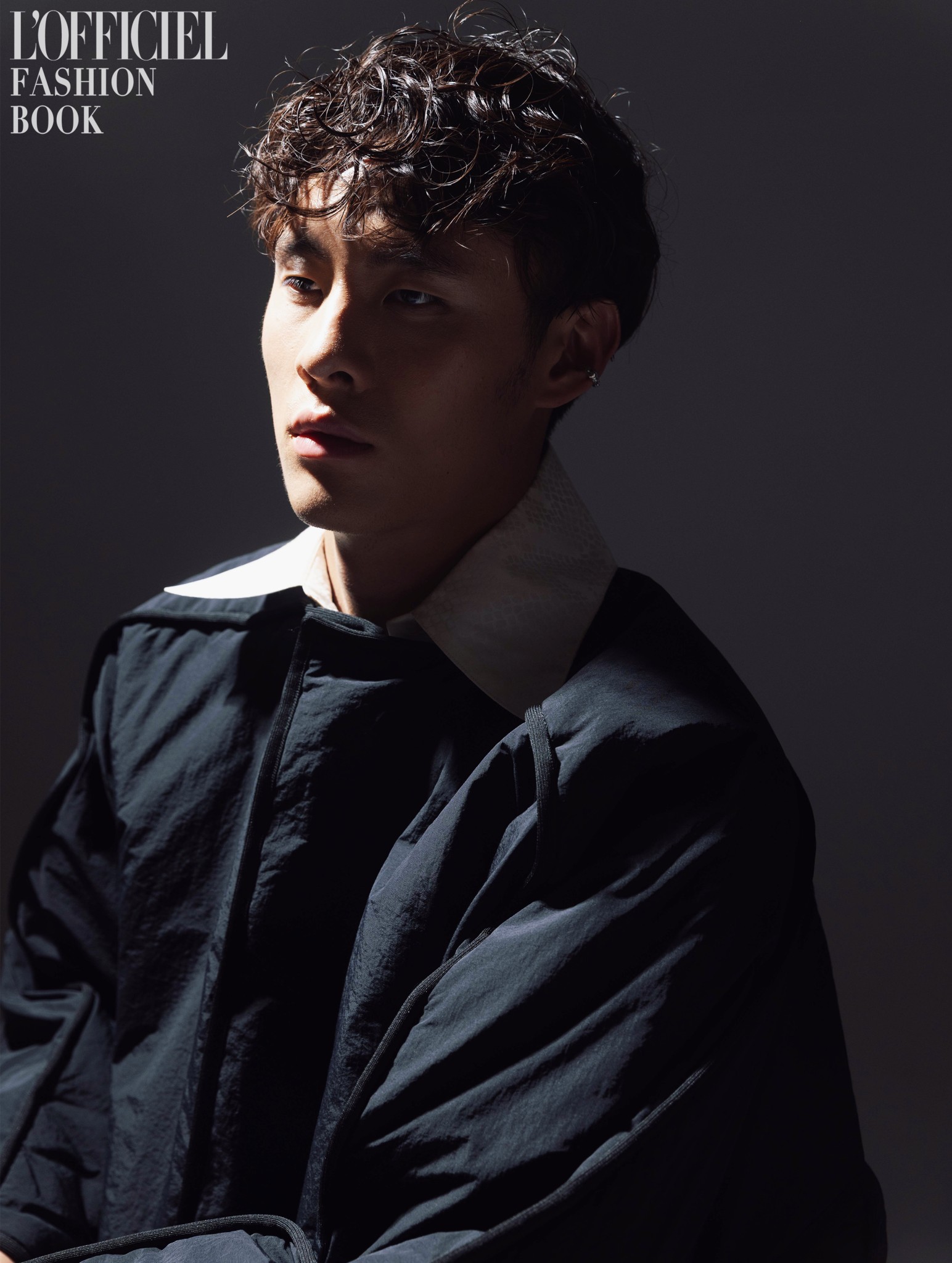
THE REASON FOR THE IMAGE
Behind every cover is a conversation between the person in front of the camera and the creative eye shaping how they are seen. For this story, New York-based stylist and multidisciplinary creative Tianyun Lan approached Jack He not through a single identity, but through the space between music, acting and modelling. Her own practice moves across styling, fashion design, creative direction, runway and performance. Here, Tianyun reflects on the thinking behind the cover, the invisible problem-solving that holds an image together, the launch of Inchoate Studio, and why the strongest fashion stories preserve movement, cultural specificity and a trace of imperfection.
THE COVER & THE IMAGE
Dimitri: Tianyun, congratulations on the story. Looking at your work with Jack He, it feels as though you are never simply dressing someone, but building a world around them. When you first meet a subject, whether an actor, musician or model, what are you trying to understand before you begin thinking about the clothes?
Tianyun Lan: First of all, thank you, Dimitri. It was a pleasure working with you and the entire L’Officiel Australia team on this story, and collaborating with Jack made it especially rewarding. He’s someone who naturally moves between music, acting, and modelling, so I didn’t want to approach him through just one lens. Before I think about clothing, I try to understand who the person is at this particular moment in their career and what they want to communicate. I’m interested in how they carry themselves, what excites them, and what kind of conversation they want the image to have with the audience. Once I understand that, the clothing becomes a way of supporting the story rather than defining it.
Dimitri: You have worked across editorial, runway, commercial campaigns and performance. Many stylists remain within one particular area, while your practice moves fluidly between them. How has working across these different disciplines changed the way you think about image-making?
Tianyun Lan: Working across different disciplines has made me realize that the image itself is never the final goal, it’s just one way a story can exist. Editorial is about creating a single moment, runway is about building an experience over time, performance is about movement, and commercial work asks you to communicate clearly while still being creative. Each one has taught me something different, and I don’t really separate them in my mind anymore. I think moving between these spaces has made me a more adaptable creative and a better collaborator. Instead of relying on one visual style, I’ve learned to respond to the needs of each project while still bringing the same curiosity and level of attention to every production.
Dimitri: You have worked with established luxury houses, emerging designers, independent artists and major commercial clients. Does your creative process change according to the scale of the project, or is there a philosophy that remains constant regardless of who you are working with?
Tianyun Lan: The scale definitely changes the way you work, but not the way you think. On larger productions, there are more people involved, more planning, and a much bigger logistical operation. Smaller projects often give you more freedom to experiment and make decisions on the spot. What stays constant for me is that I always begin with the same question: what is this project really trying to say? Whether I’m working with a global brand or an emerging designer, I want the visual choices to feel intentional rather than decorative.
Dimitri: This issue features Jack He, whose career spans music, acting and modelling. As someone whose own work crosses several creative disciplines, did you feel a particular connection with him while developing the visual language for this story?
Tianyun Lan: Definitely. I related to the fact that Jack isn’t confined to one creative identity. I think people often expect artists to choose one lane, but I’ve never really worked that way either. My practice has taken me through styling, fashion design, creative direction, runway, and performance, and each discipline has influenced the others. While developing this story, I wasn’t thinking about presenting Jack as just a musician or just a model. I wanted the images to feel like they existed in the space between those identities. That’s often where the most interesting stories happen.
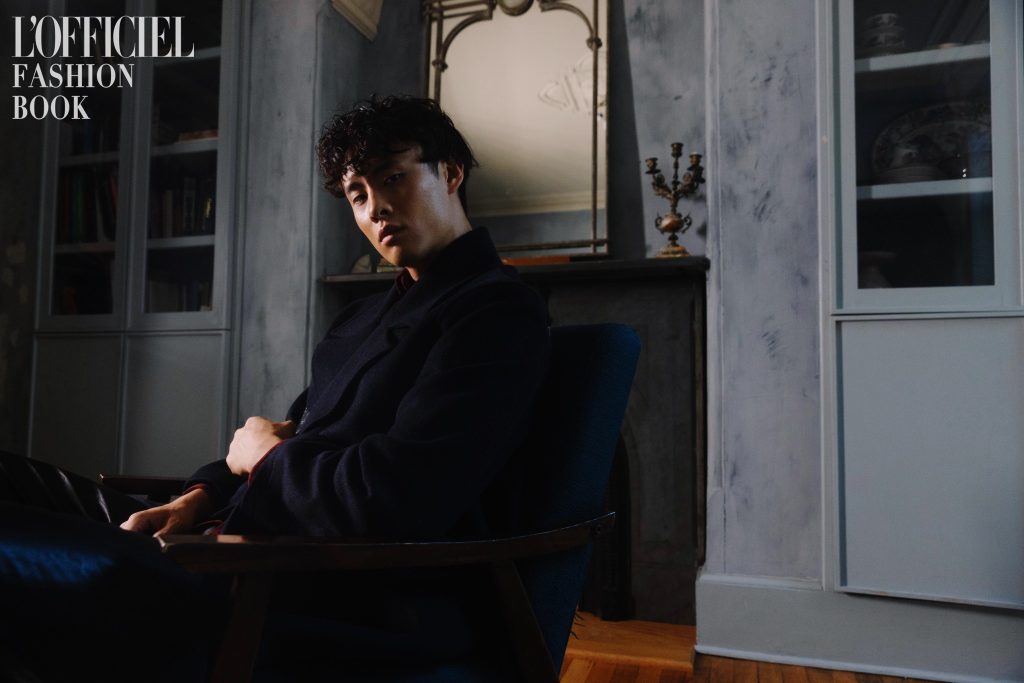
THE EXPANDING ROLE OF THE STYLIST
Dimitri: You are often described as a stylist, although your work increasingly extends into creative direction, show direction and performance. Do you believe the role of the stylist is evolving, and how do you now define your own role?
Tianyun Lan: I think the role has become much broader than people realize. Styling isn’t only about selecting clothes anymore. Stylists like me help shape the narrative, working closely with photographers, designers, performers, hair and makeup artists, and often solving problems that have nothing to do with fashion. Because of that, I don’t think too much about titles. Some projects need me as a stylist, others as a creative director or designer. What connects all of those roles is that I’m thinking about how people experience an image and how every decision contributes to a larger story.
Dimitri: Many people assume styling is primarily about aesthetics, but anyone who has worked on a production understands that it also requires logistics, leadership, negotiation and constant problem-solving. Which aspects of the profession do you wish were better understood?
Tianyun Lan: People see the final image, but they rarely see everything that happens before it. Styling is honestly a lot of problem-solving. There are delayed deliveries, last-minute changes, tight schedules, and unexpected situations on almost every production. You have to stay calm while making creative decisions under pressure. I think that’s one of the biggest skills I’ve developed over the years. Precision doesn’t come from having perfect conditions, it comes from being prepared enough to adapt when things inevitably change.
Dimitri: Your projects often feel deeply research-driven. Whether you are developing an editorial narrative or directing a presentation, there is usually a conceptual framework beneath the visuals. What does your research process actually look like, and how does it begin?
Tianyun Lan: I don’t usually start by looking for fashion references. Most of the time it begins with a question or an idea that stays with me. I keep notes, books, images, conversations, and observations that I come across in everyday life, and every few months I’ll go back through everything to see what still feels relevant. If an idea keeps returning, I know there’s probably something worth exploring.
Dimitri: You have recently taken on roles beyond styling, including directing runway presentations and contributing to performance projects. What have those leadership experiences taught you about collaboration and bringing different creative voices together?
Tianyun Lan: One thing I’ve learned is that good collaboration doesn’t mean everyone thinks the same way. In fact, it’s usually the opposite. The strongest projects happen when people bring completely different perspectives to the table. As a director, I see my role as creating enough clarity that everyone can contribute their expertise without losing the overall vision. You’re constantly balancing ideas, personalities, and practical limitations. It’s made me appreciate how much trust goes into creative work. When everyone feels heard, the final result is almost always stronger than anything one person could have created alone.
Dimitri: You have collaborated with internationally recognised publications and brands while continuing to support emerging designers and independent creatives. At this stage of your career, how do you decide which projects to say yes to?
Tianyun Lan: I’m becoming a lot more intentional about what I take on. Earlier in my career, I said yes to almost everything because every project taught me something. I’m really grateful I did that because it exposed me to so many different parts of the industry. Now, I’m more interested in whether a project challenges the way I think or introduces me to people I wouldn’t have met otherwise. Curiosity has become a much bigger factor than prestige.
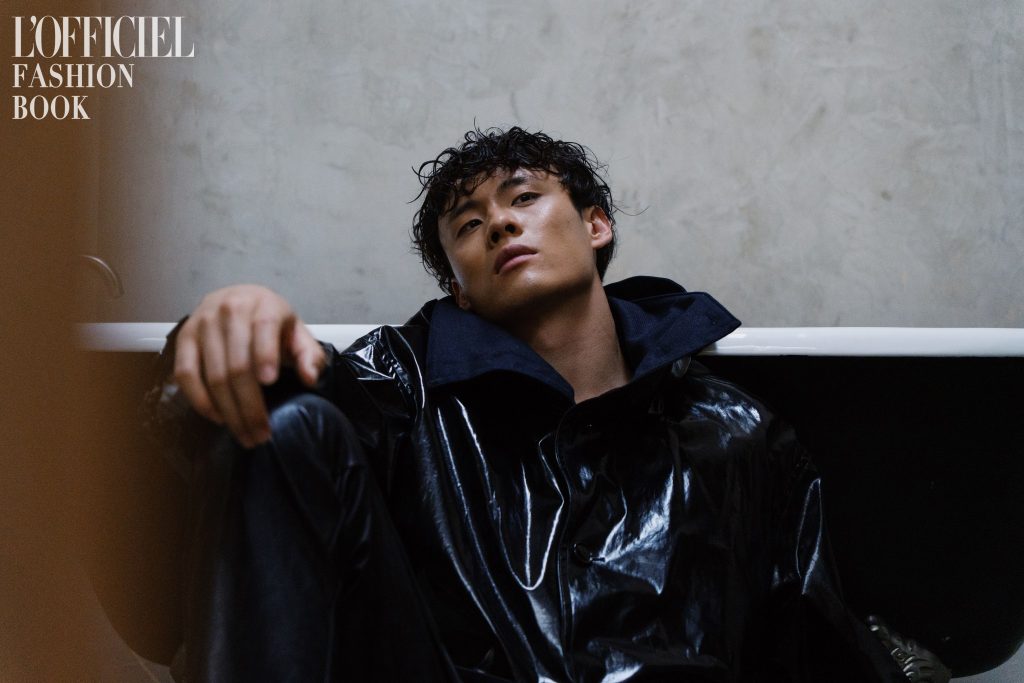
INCHOATE STUDIO & A GLOBAL VISUAL LANGUAGE
Dimitri: You recently launched Inchoate Studio, expanding your practice beyond styling into a multidisciplinary creative studio. After spending years helping shape other people’s visual identities, are you now beginning to define and express your own more fully?
Tianyun Lan: I think Inchoate Studio is less about creating a fixed identity and more about creating a space where different creative ideas can develop. It is a multidisciplinary creative studio focused on styling, visual and image consultation, and creative curation. It allows me to work beyond individual styling assignments and think more holistically about how identities, concepts, and narratives are developed. The word “inchoate” means something that is just beginning to take form—unfinished, still evolving—which really reflects how I view creativity. I don’t believe a creative practice should ever feel completely finalized. There should always be room for growth, experimentation, and new perspectives.
For years, I have helped designers, artists, performers, and brands communicate who they are through images. The studio is an extension of that experience, but also an opportunity to explore my own creative direction. My goal is to gradually build a larger team and collaborate on a wider variety of projects across fashion, performance, visual arts, and other creative fields. I’m interested in creating a platform where different perspectives can come together rather than limiting creativity to one medium.
Dimitri: Having lived and worked across China, the United States and Europe, do you feel that you are contributing to a more global visual language? How do you create work that resonates internationally without losing its cultural specificity?
Tianyun Lan: Living in different places taught me that there isn’t one universal way to understand an image. The same styling choice can communicate completely different things depending on where you are or who’s looking at it. I don’t try to erase those differences. I’m more interested in creating work that’s specific enough to feel honest, while still leaving room for different interpretations. Rather than blending cultures together into something generic, I think it’s more meaningful to let each perspective exist and have a conversation with the others.
Dimitri: The fashion industry is changing rapidly through technology, AI, social media and shifting ideas of authorship. What excites you most about the future of visual storytelling, and what concerns you?
Tianyun Lan: I’m excited that more people have access to creative tools than ever before. There are so many new voices entering the conversation, and I think that’s incredibly healthy for the industry. What concerns me is how quickly we’re expected to consume and produce images. Sometimes it feels like we’re encouraged to move on before we’ve had a chance to really look. I hope we don’t lose the value of observation and slower thinking. Technology will keep changing, but I think people will always respond to work that feels considered and genuinely human. AI will probably become very good at producing images, what I’m more interested in is producing reasons for images to exist.
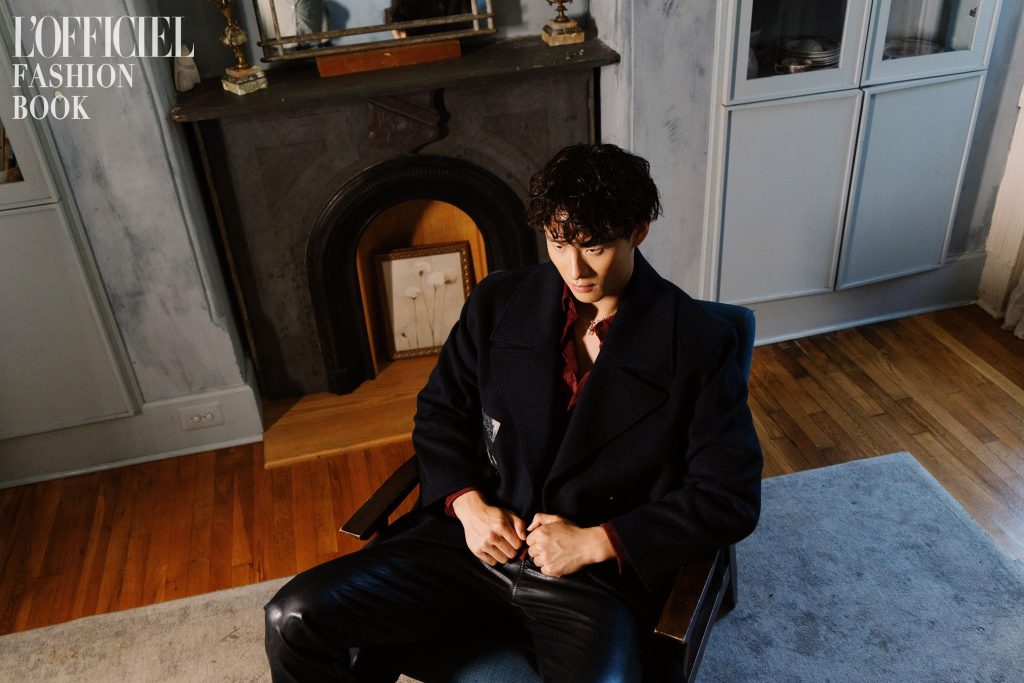
BODY, IDENTITY & IMPERFECTION
Dimitri: You trained in fashion design but became increasingly interested in what clothing does to the body rather than the garment as an isolated object. What could styling express that designing the garment itself could not?
Tianyun Lan: Fashion design taught me how to create an object, but styling taught me that the object is only part of the story. What really interests me is the relationship between the clothing, the person wearing it, the environment, and the audience looking at it. The same garment can communicate something completely different depending on who’s wearing it and why. That’s what drew me to styling in the first place. I was always more interested in context than perfection. For me, meaning doesn’t come from the garment alone—it comes from everything happening around it.
Dimitri: You have said that you do not chase a fixed signature, although fashion often treats recognisability as a form of currency. Can adaptability become a signature in itself, or is there a risk of disappearing into other people’s worlds?
Tianyun Lan: I actually think adaptability can be a signature. People often talk about having a recognizable aesthetic, but I think there’s another kind of consistency that comes from the way you think rather than the way your work looks. Every project deserves its own visual language. If all my work looked the same, I’d probably feel like I wasn’t listening closely enough. What stays consistent is my process: asking questions, researching, observing, and trying to understand what the project needs instead of forcing it to fit my own style.
Dimitri: A look can be extraordinary in a still image and completely wrong once the subject begins to move. When aesthetics and the body disagree, which one do you trust?
Tianyun Lan: The body, always. Clothing has to work with the person, not against them. Fashion is experienced through movement before it’s experienced as an image. A photograph can be beautiful, but if the person can’t inhabit the clothing naturally, people will feel that immediately, even in a still frame. I trust the body because the body never lies.
Dimitri: Styling can make someone appear more powerful, vulnerable, seductive or even unfamiliar to themselves. Where is the line between revealing something about a person and imposing an identity upon them?
Tianyun Lan: The line is listening. I never want to arrive with an identity already designed for someone. My job is to notice what’s already there and create the conditions for people to recognize another version of themselves. Sometimes that’s surprising, but it should never feel imposed. The best styling doesn’t transform someone into somebody else, it reveals possibilities they already carried.
Dimitri: You have said that you never want a polished image to feel too perfect or distant. What kind of imperfection do you deliberately protect from being corrected?
Tianyun Lan: Usually it’s the things that remind you a real person was there. A slightly wrinkled sleeve, the way a fabric naturally falls after someone moves, an expression that wasn’t completely rehearsed. Those details make an image feel lived in instead of manufactured. The imperfections are often where emotion exists. They’re also where memory lives. Once everything becomes too polished, the image can lose the sense that it happened in a real moment. I always try to protect that feeling.


No comment yet, add your voice below!